

Updates on our Research and Development

If you’ve ever hugged a tree, maybe you felt like you didn’t get much back. Trees are strong, silent types—but there’s a lot going on behind that bark.
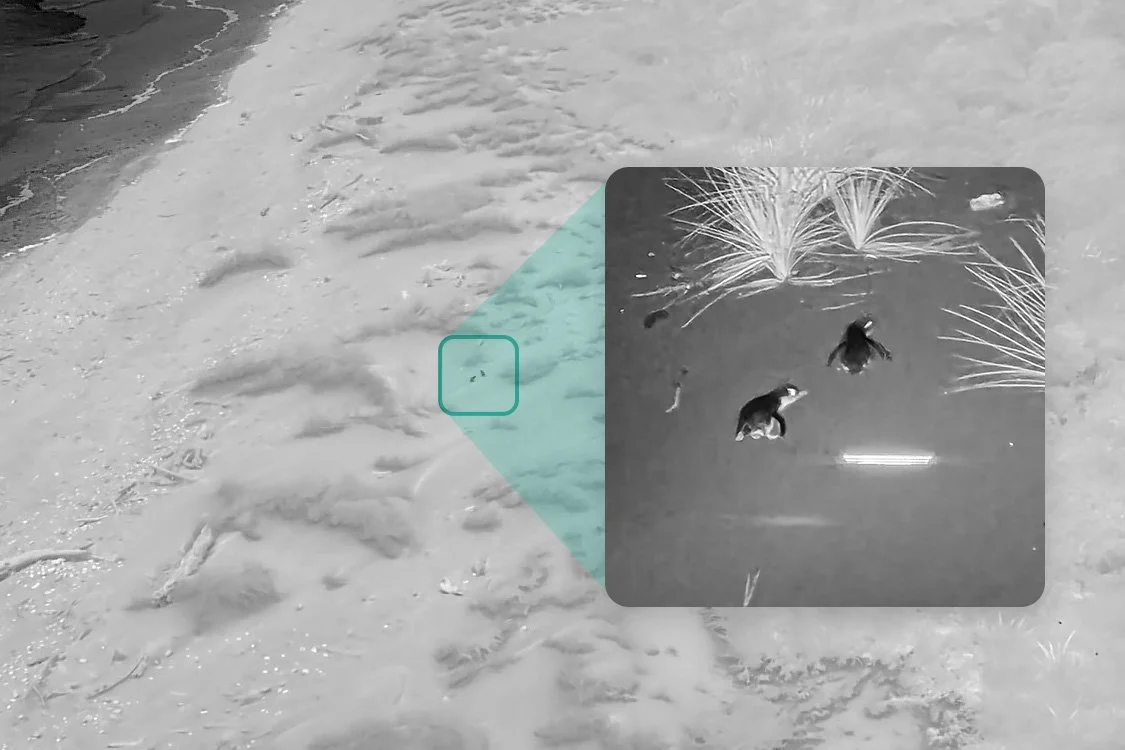
This trial evaluated the effectiveness of using a thermal-imaging drone to detect target invasive predators – specifically ship rats (Rattus rattus) – in coastal and intertidal environments in South Westland.

Made of melted snow, the Callery River tumbles cold and cobalt from the ramparts of South Westland’s Main Divide. There’s no such thing as easy country here: the river squirms between flanks so steep that the contour lines on a topomap form solid blocks of orange. You might call it ‘tiger country’. It used to be rat, stoat and possum country too. But no longer.
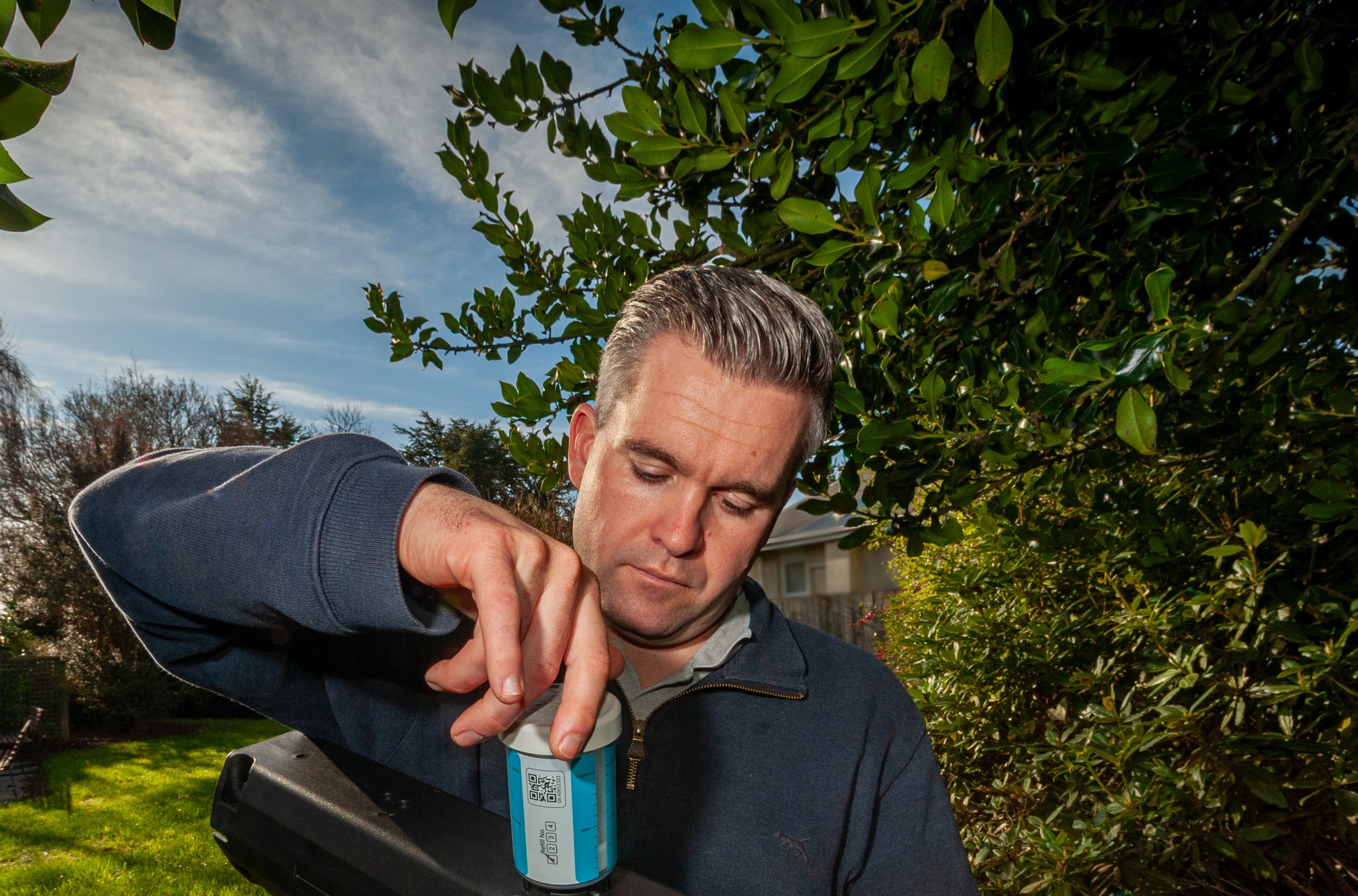
It’s the most abundant element in the universe, but just a tiny breath of hydrogen is a tailwind driving Predator Free 2050.
Updates on our carbon science
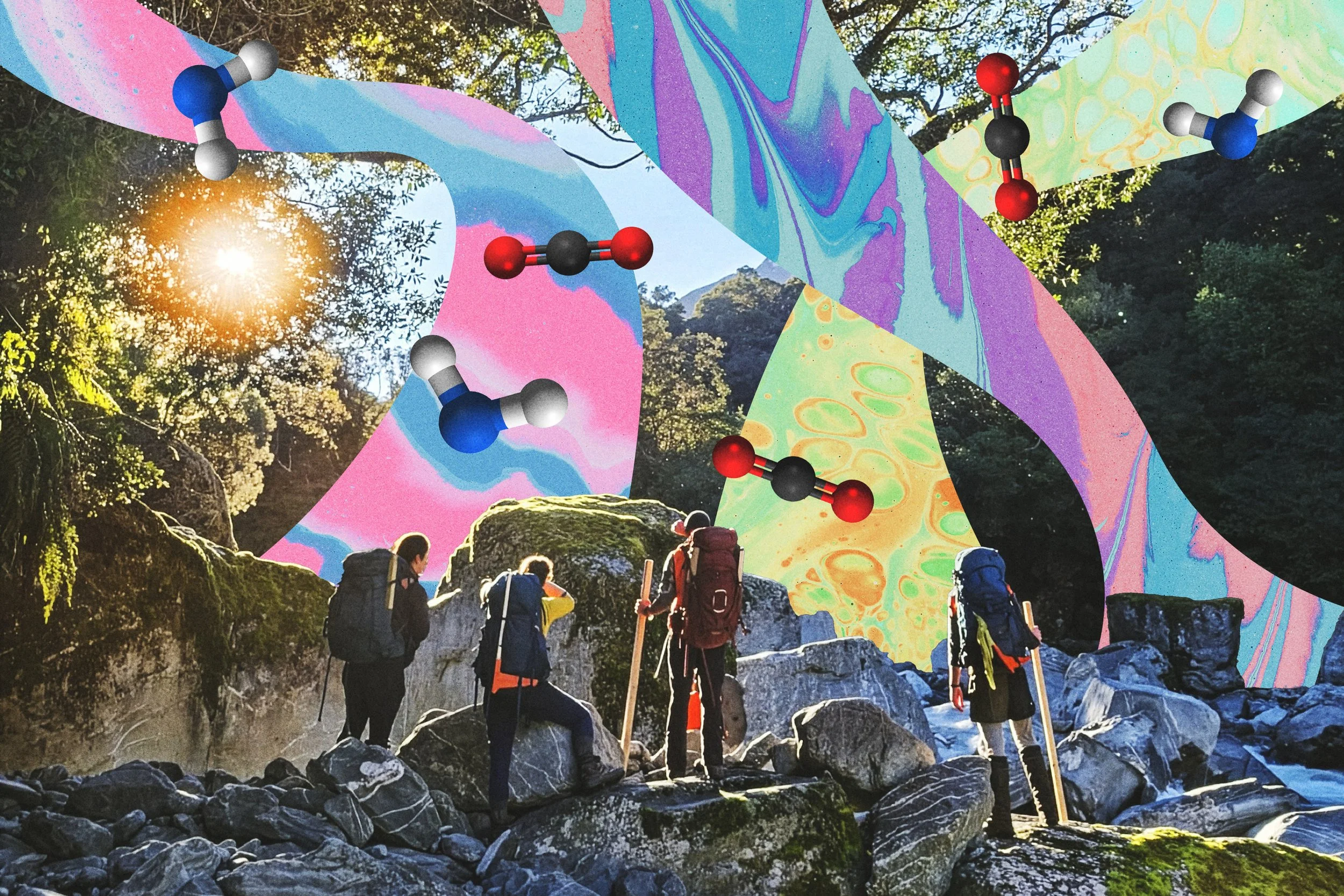
Suddenly, carbon’s a thing. Everyone wants to know how much we’re sitting on. But how do you measure something you can’t see?
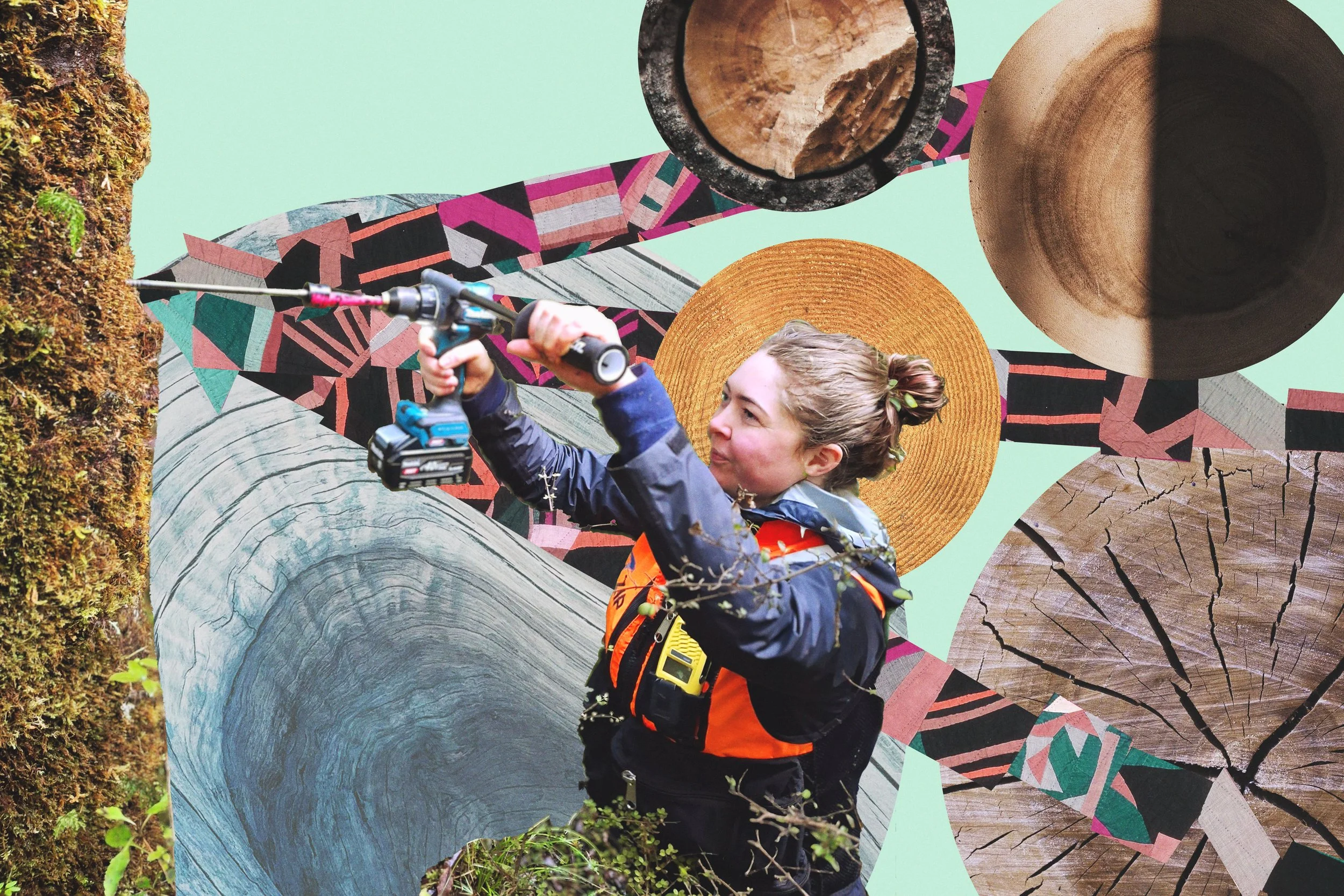
Next time you’re stacking firewood, take a moment to read the stories that tree rings tell...
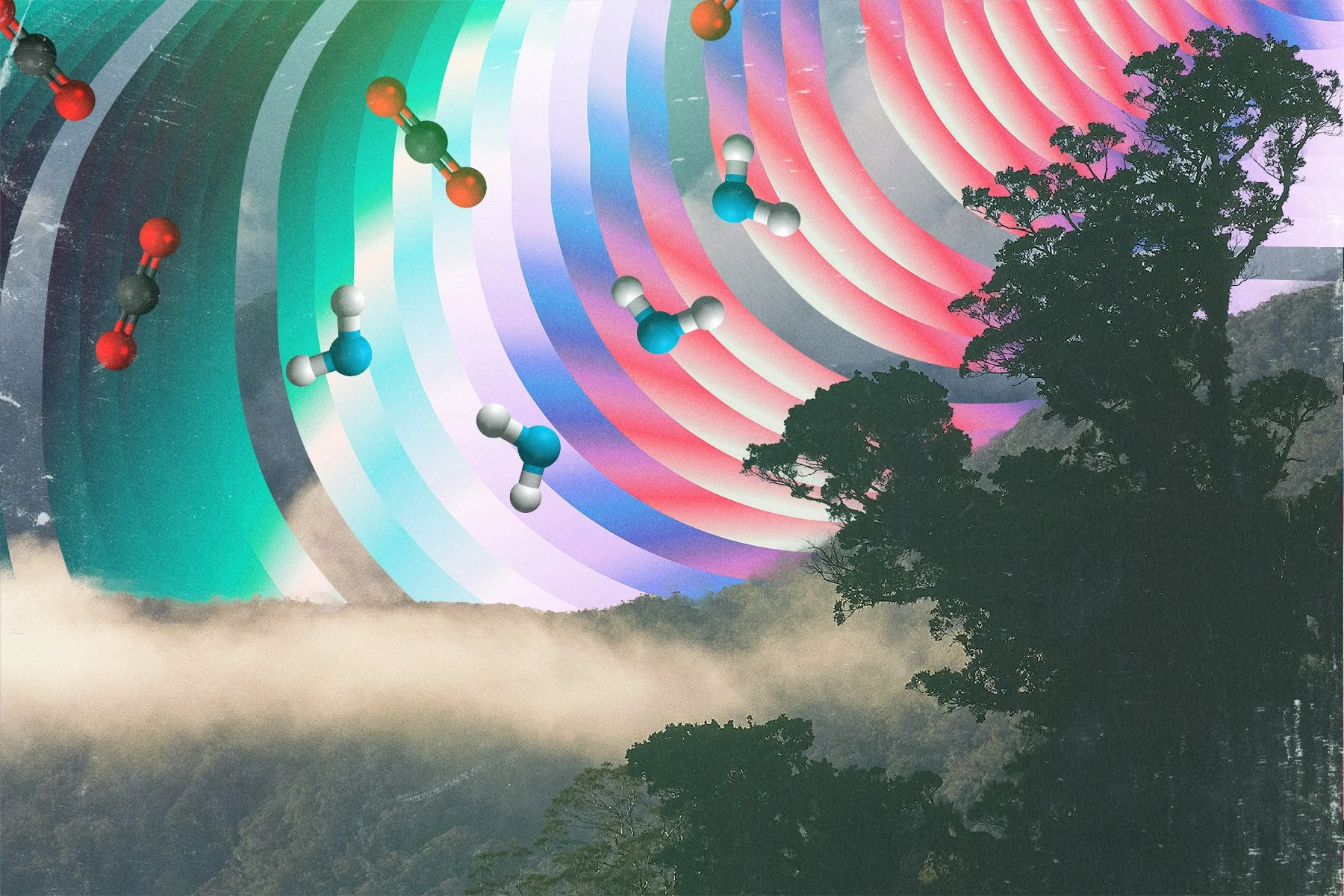
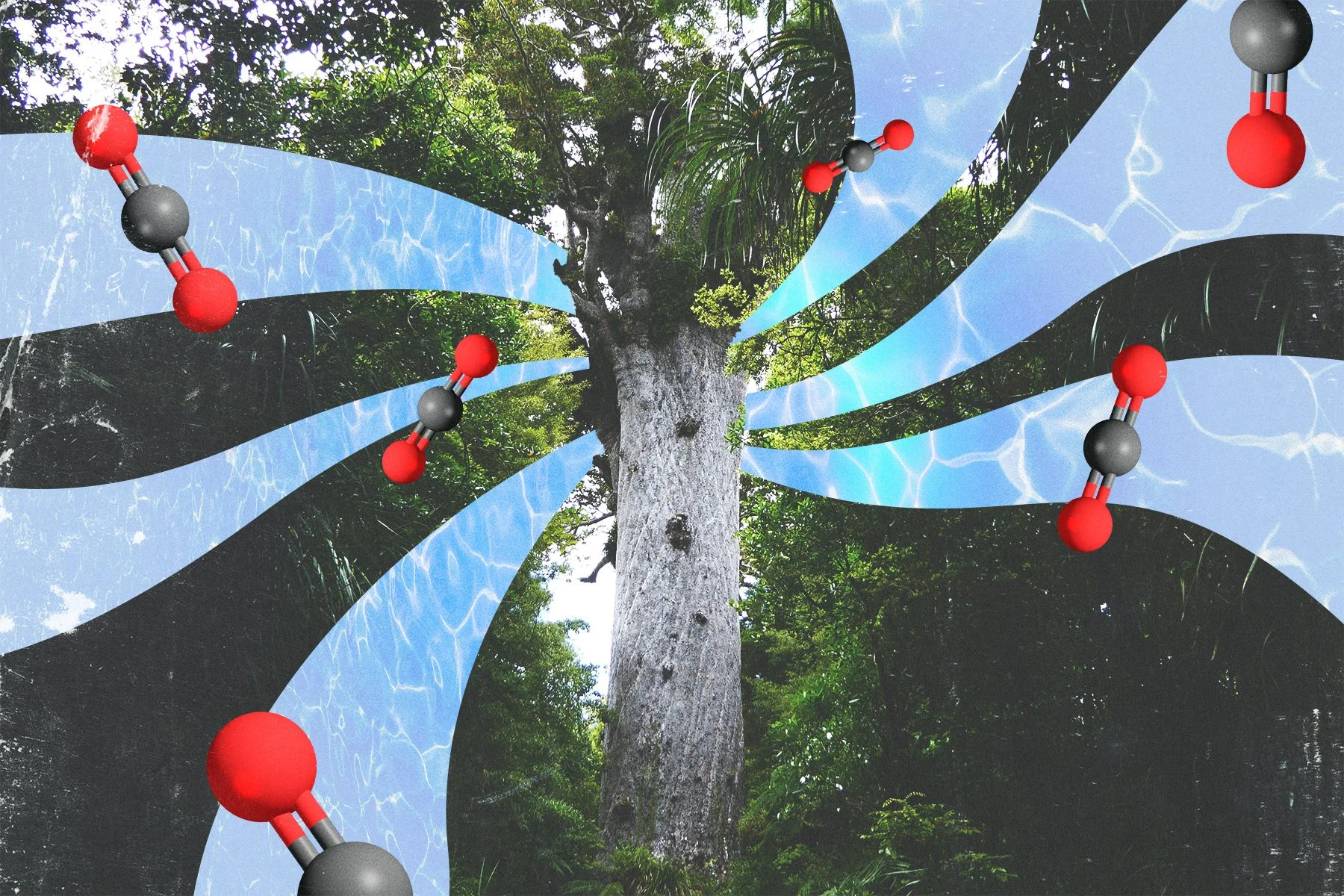
Trees are factories. They’re laboratories. They’re air conditioners. They’re brokers and traders. They are, in short, living marvels.
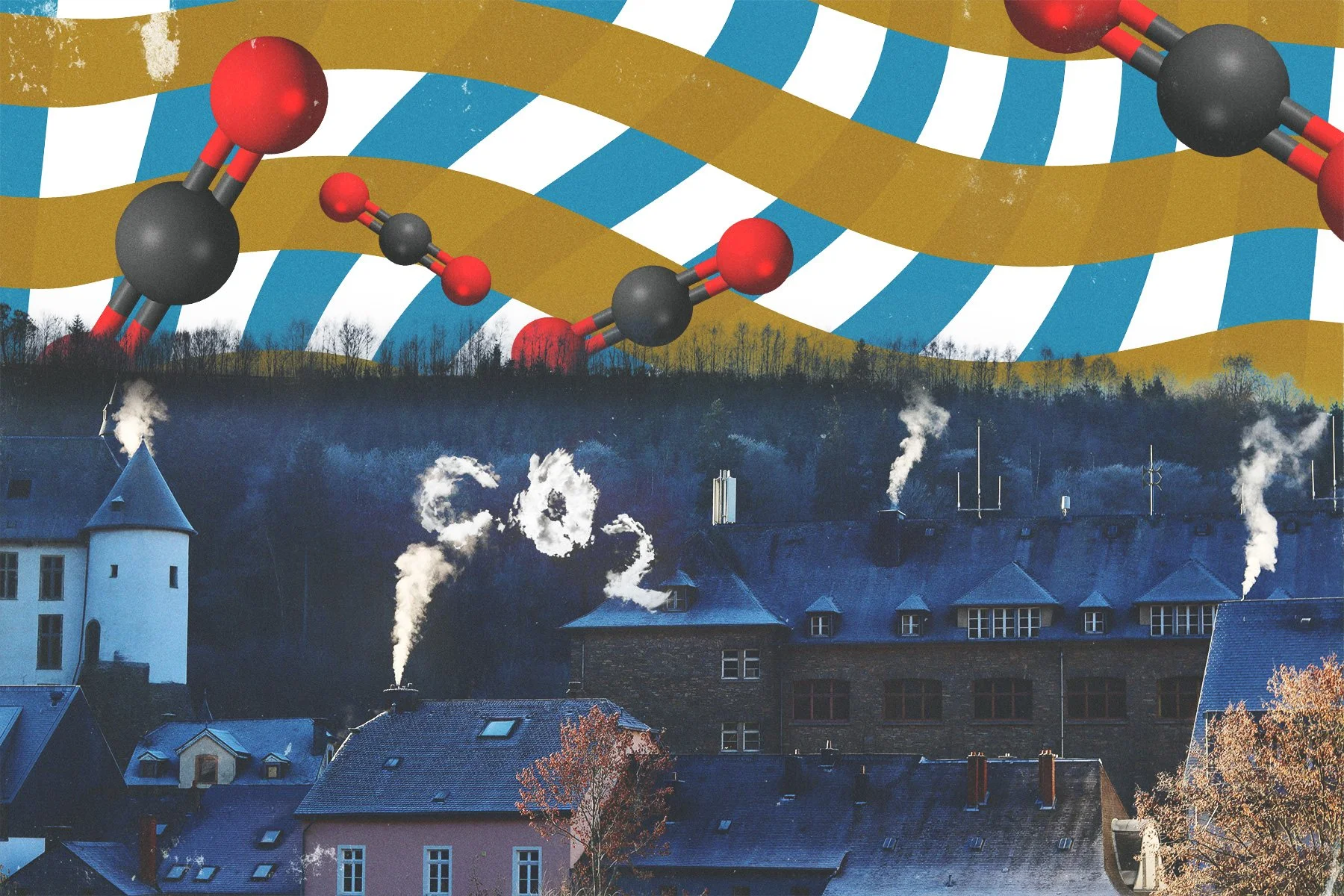
What is carbon, anyway? And why does it matter in the context of Aotearoa New Zealand’s environment?
Zero Invasive Predators (ZIP) established a pair of study sites in native forest in South Westland to compare the impact of introduced wild animals—and their control—on the structure of those sites, and their current carbon stocks.

The control of forest browsers can deliver benefits for both the climate and biodiversity. However, the present carbon accounting framework needs revision before those benefits can be monetised through the voluntary carbon market and counted towards Aotearoa’s national emissions reduction commitments.

Carbon in our native forests looks steady at first glance, but the way that carbon is stored is shifting. That could mean more emissions ahead.