

Biodiversity
For a predator-free Aotearoa New Zealand
We remove invasive pests across vast landscapes to restore the mauri of our native ecosystems. Backed by rigorous science, we are investigating new ways for nature to fund its own future.
Biodiversity
For a predator-free Aotearoa New Zealand
We remove invasive pests across vast landscapes to restore the mauri of our native ecosystems. Backed by rigorous science, we are investigating new ways for nature to fund its own future.
ZIP’s goal is to completely eliminate invasive predators from large, complex environments and protect these areas from re-invasion. By permanently removing rats, stoats, and possums, we create safe havens where forests can recover, and native species can return in numbers not seen for generations.
ZIP delivers safe, targeted programmes that help te taiao thrive, where mana whenua can exercise their role as kaitiaki, protecting these landscapes for generations to come.
Restoring ecosystems across vast landscapes
Explore our projects
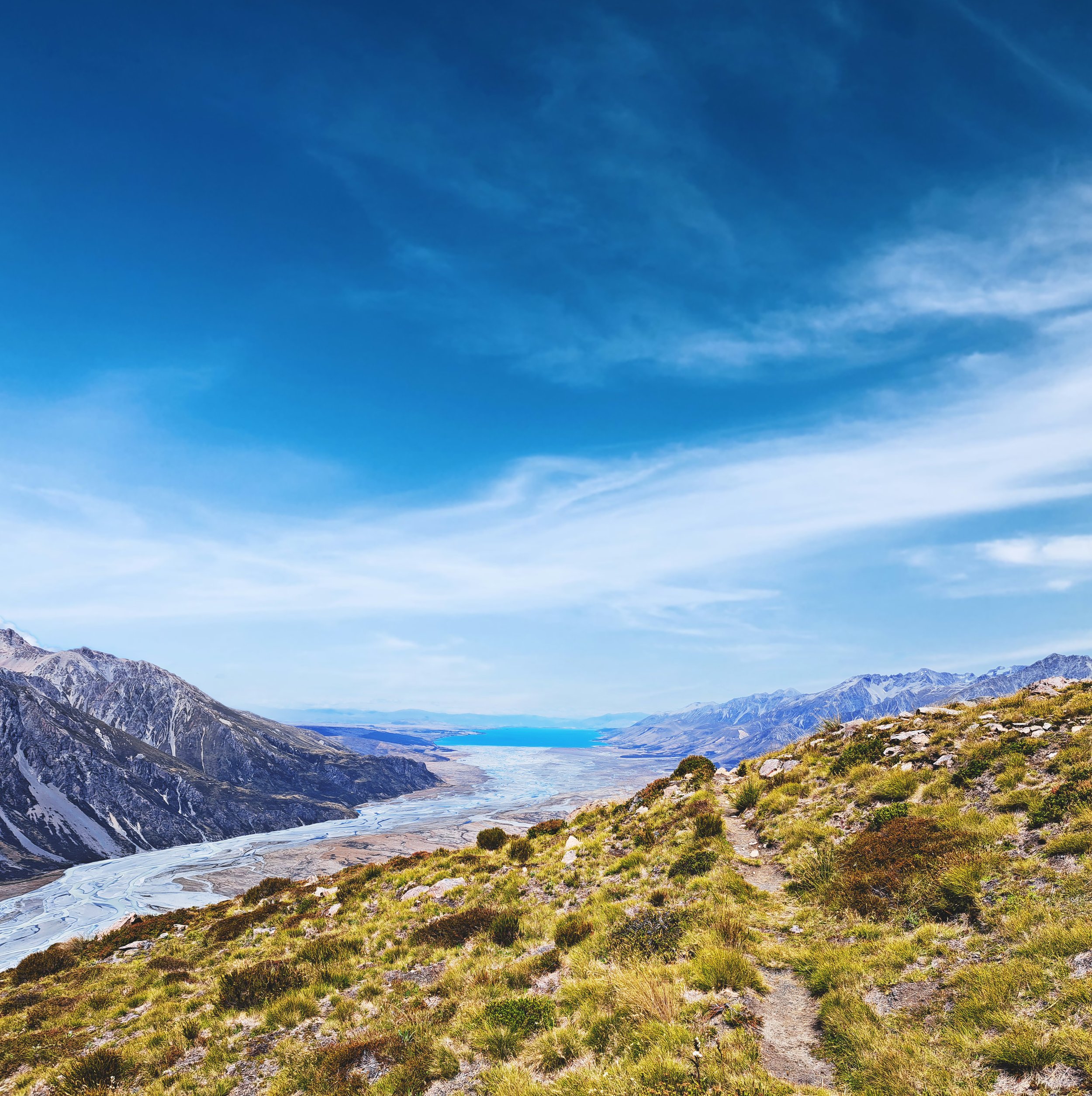
Te Manahuna Aoraki Project
310,000 hectares
An ambitious, multi-species approach to eliminate eight introduced pest species from the fragile alpine environments, braided rivers, and vast tussock grasslands of Te Manahuna/Mackenzie Basin and Aoraki/Mount Cook National Park.

Predator Free South Westland 113,000 hectares
Predator Free South Westland uses the formidable natural barriers of Kā Tiritiri o te Moana/the Southern Alps and glacier-fed rivers to permanently eliminate possums, rats, and stoats fromrainforest, farmland, and the townships of Franz Josef, Ōkārito and Whataroa.
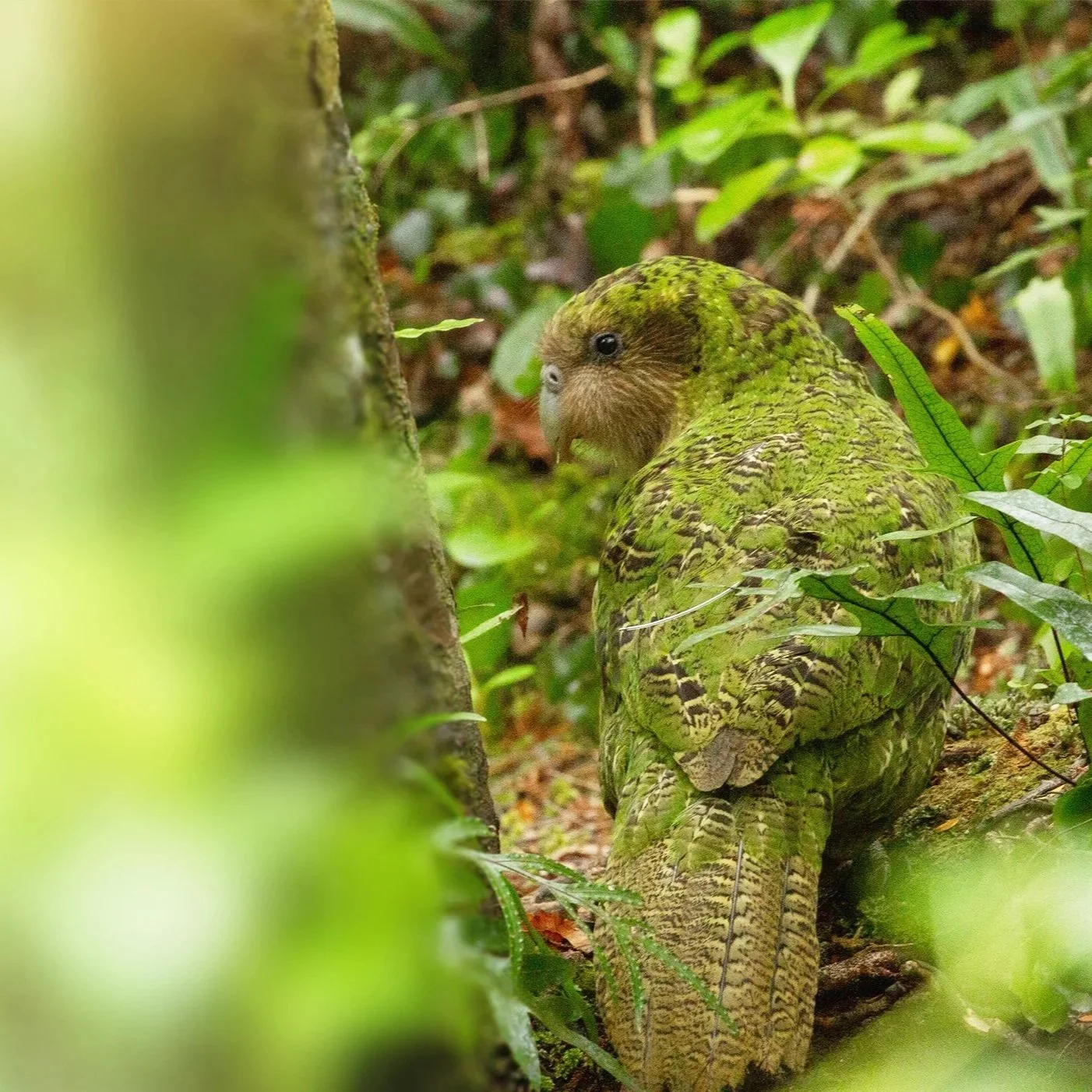
Predator Free Rakiura 175,000 hectares
Predator Free Rakiura is delivering a long-held vision to restore the motu as a haven for thriving taonga, and to make a home for the return of many species that have been lost. On completion, it will be the world’s largest inhabited predator-free island.
Science
Powered by science, proven in the field
Science
Powered by science, proven in the field
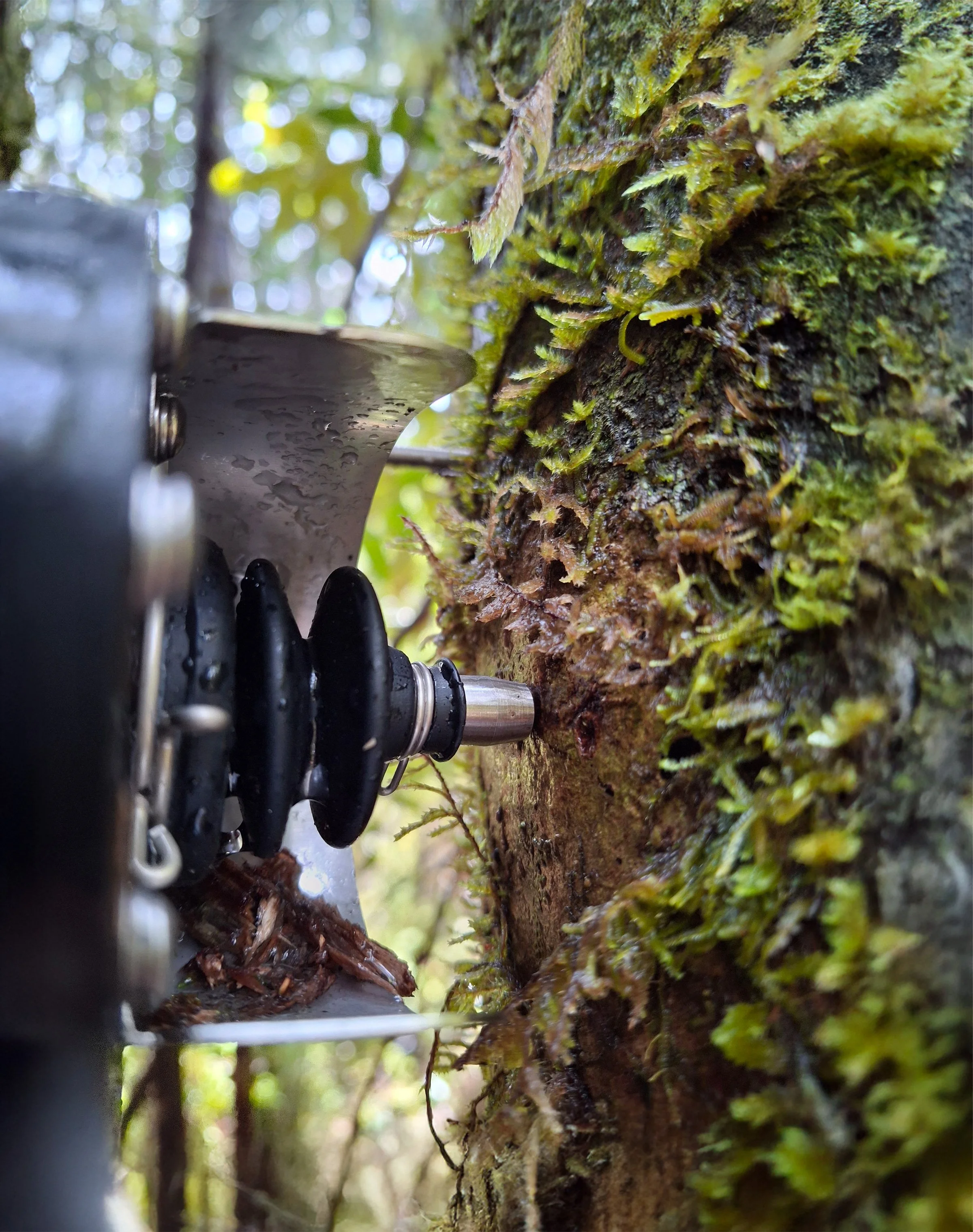
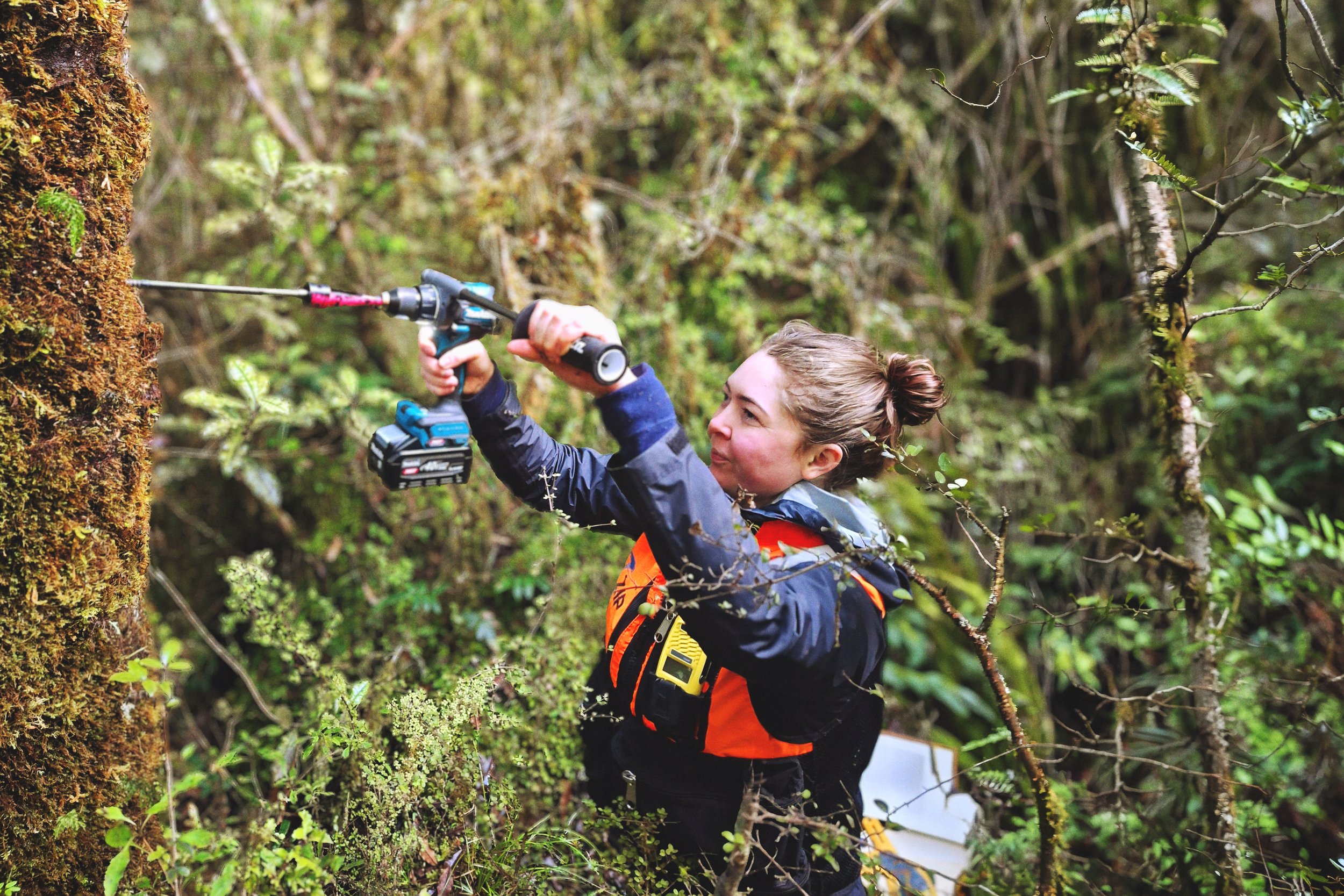
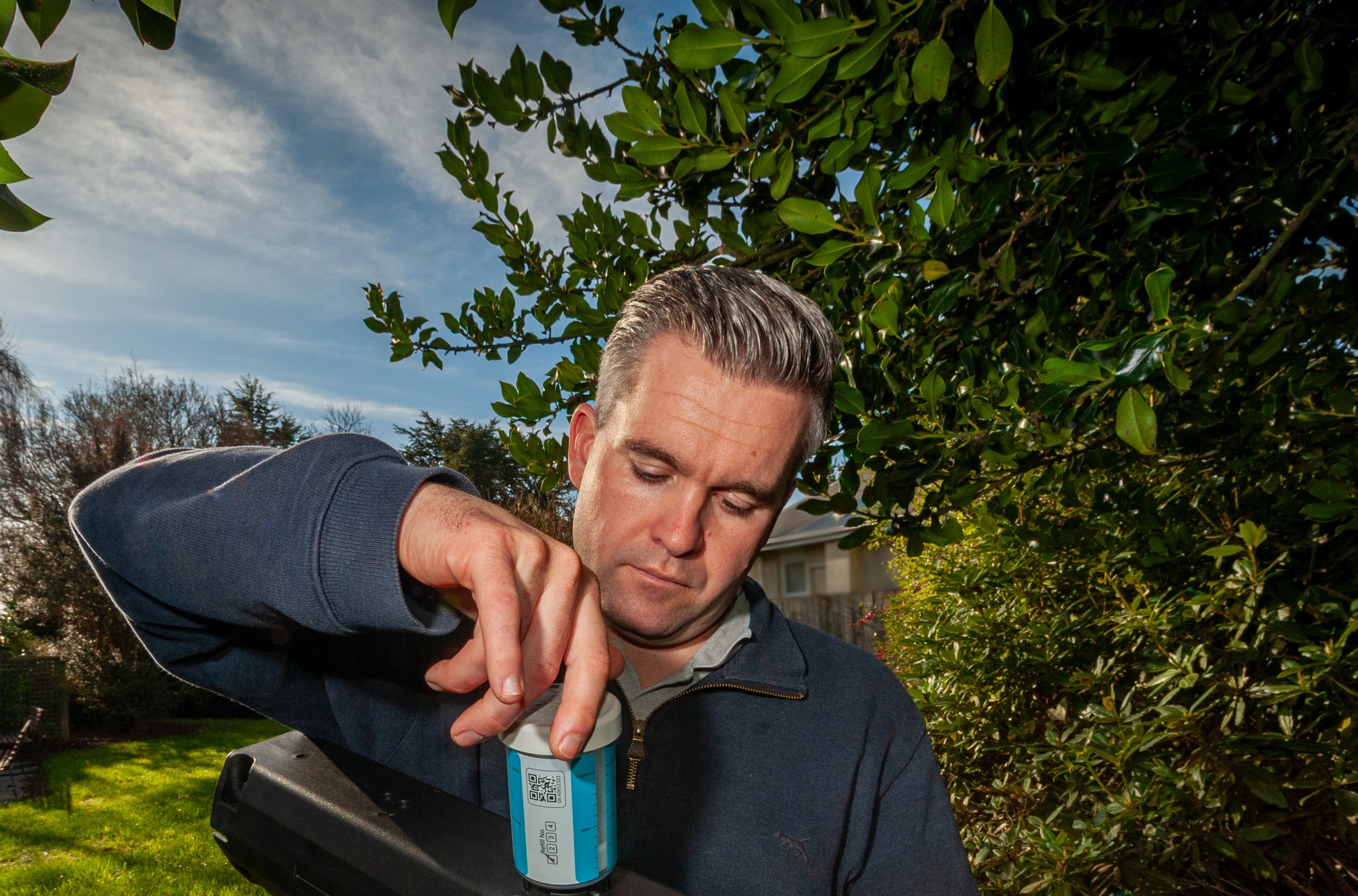
ZIP eliminates predators through a ‘remove and protect’ strategy, preventing pests’ return using natural features of the landscape as boundaries – reinforcing successful removal with innovative detection and control tools. Our techniques are born from a rigorous, data-driven scientific process, and guided by mātauranga Māori.
ZIP designs, tests, and refines our evolving suite of specialised tools to ensure we are maximising the efficiency and safety of predator removal – we're on a mission to make the PF2050 mission a success.
We’re also looking at how we can develop the tools to measure the carbon that is locked up in Aotearoa’s forest, as we remove predators from them.
Recent updates about our research and development


Carbon
Unlocking a self‑sustaining model for nature
Conservation at a landscape scale requires long-term, predictable funding. We believe the forest itself holds the key to this sustainability
Carbon
Unlocking a self‑sustaining model for nature
Conservation at a landscape scale requires long-term, predictable funding. We believe the forest itself holds the key to this sustainability
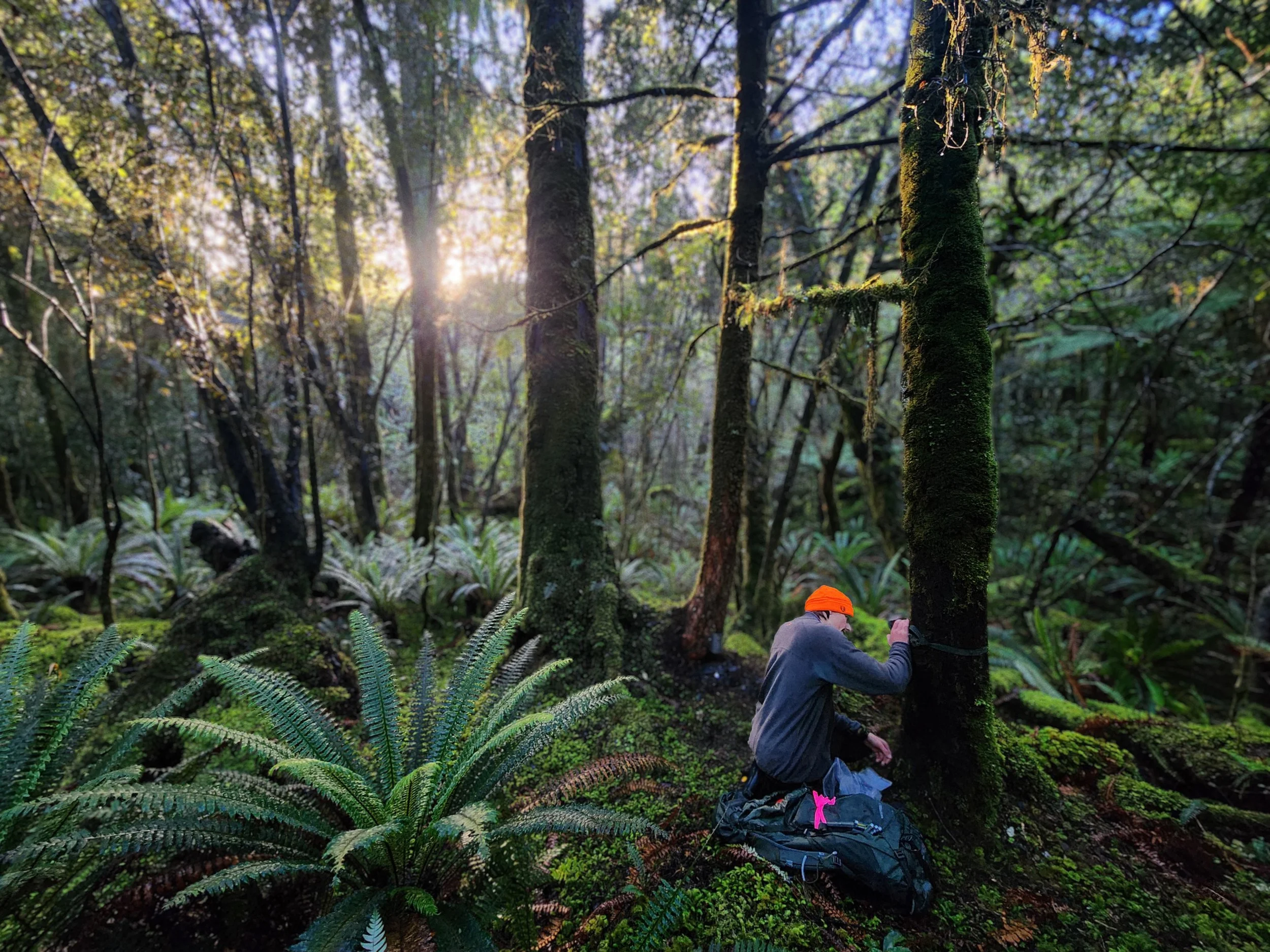
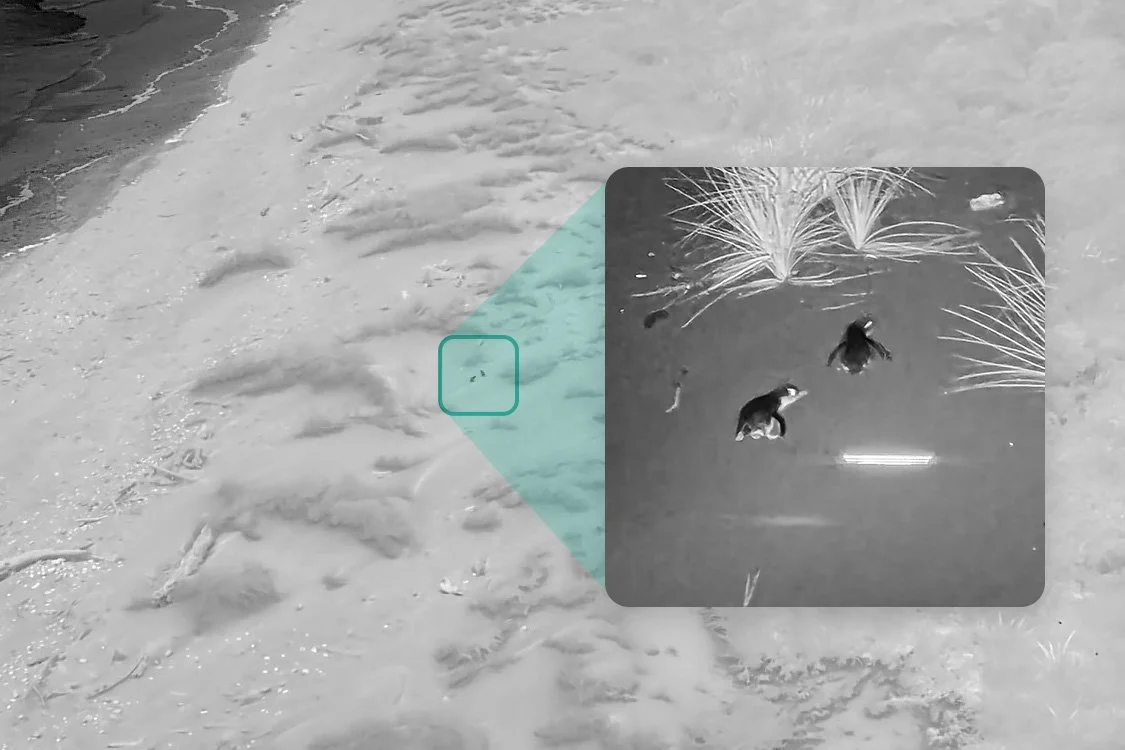
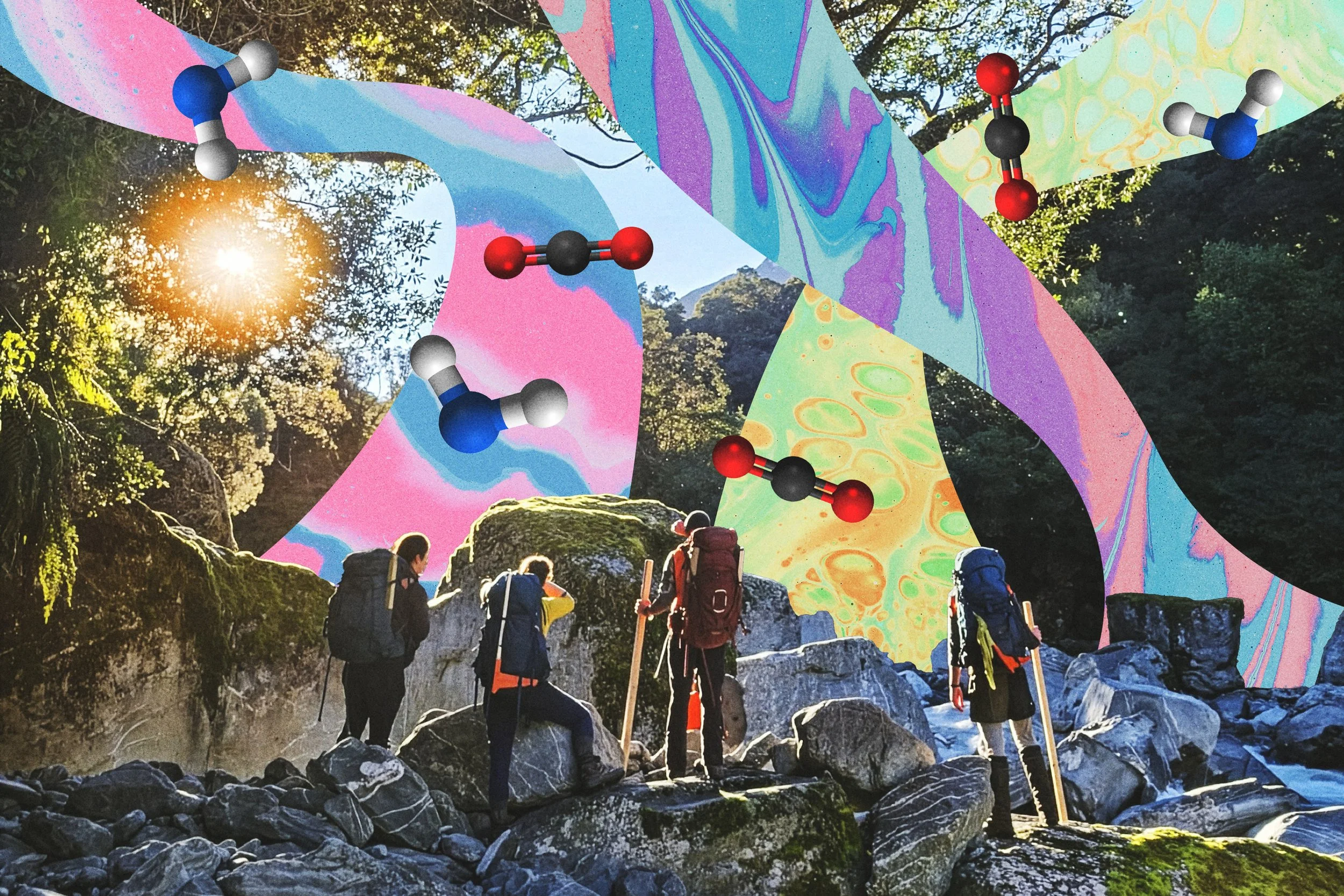
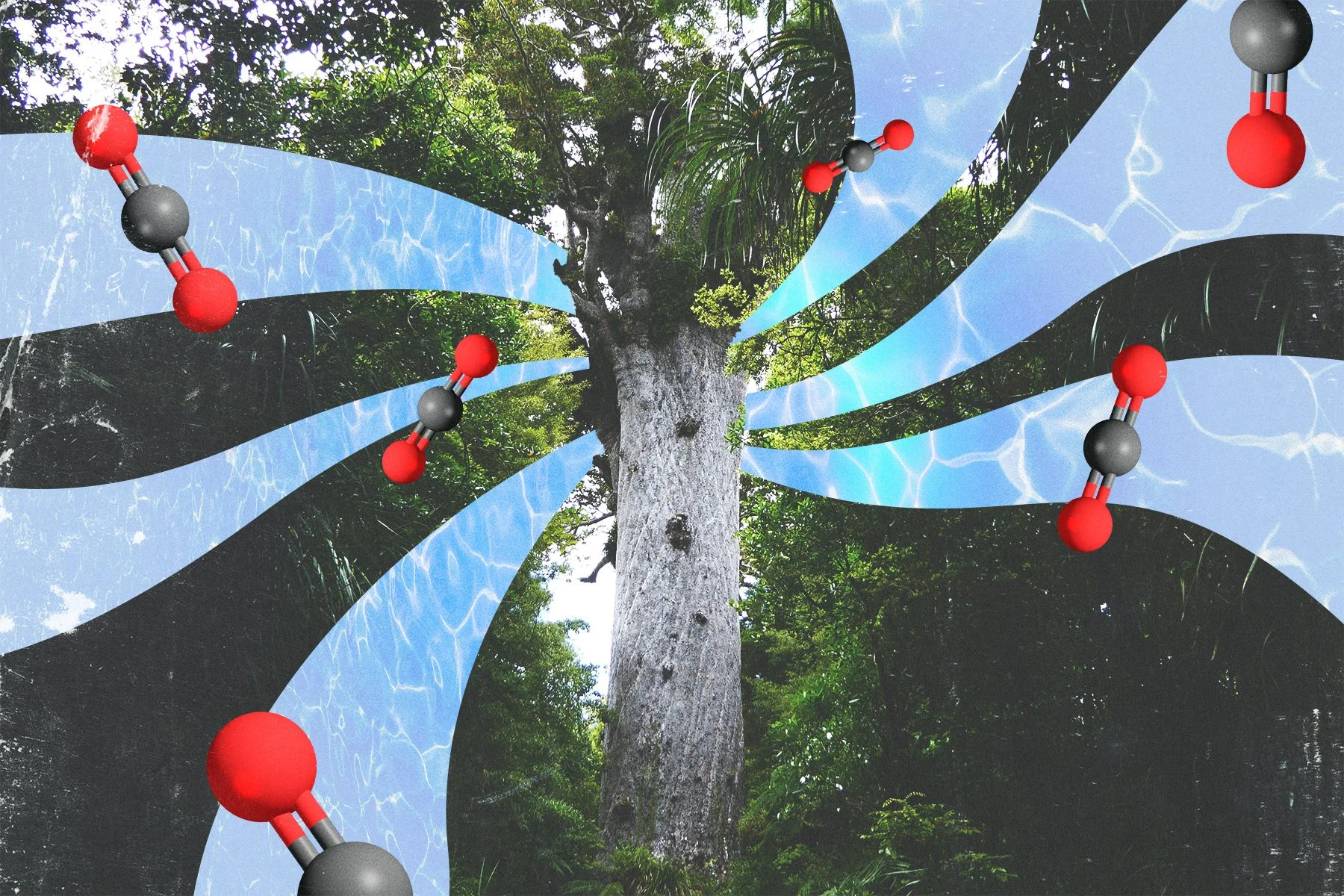
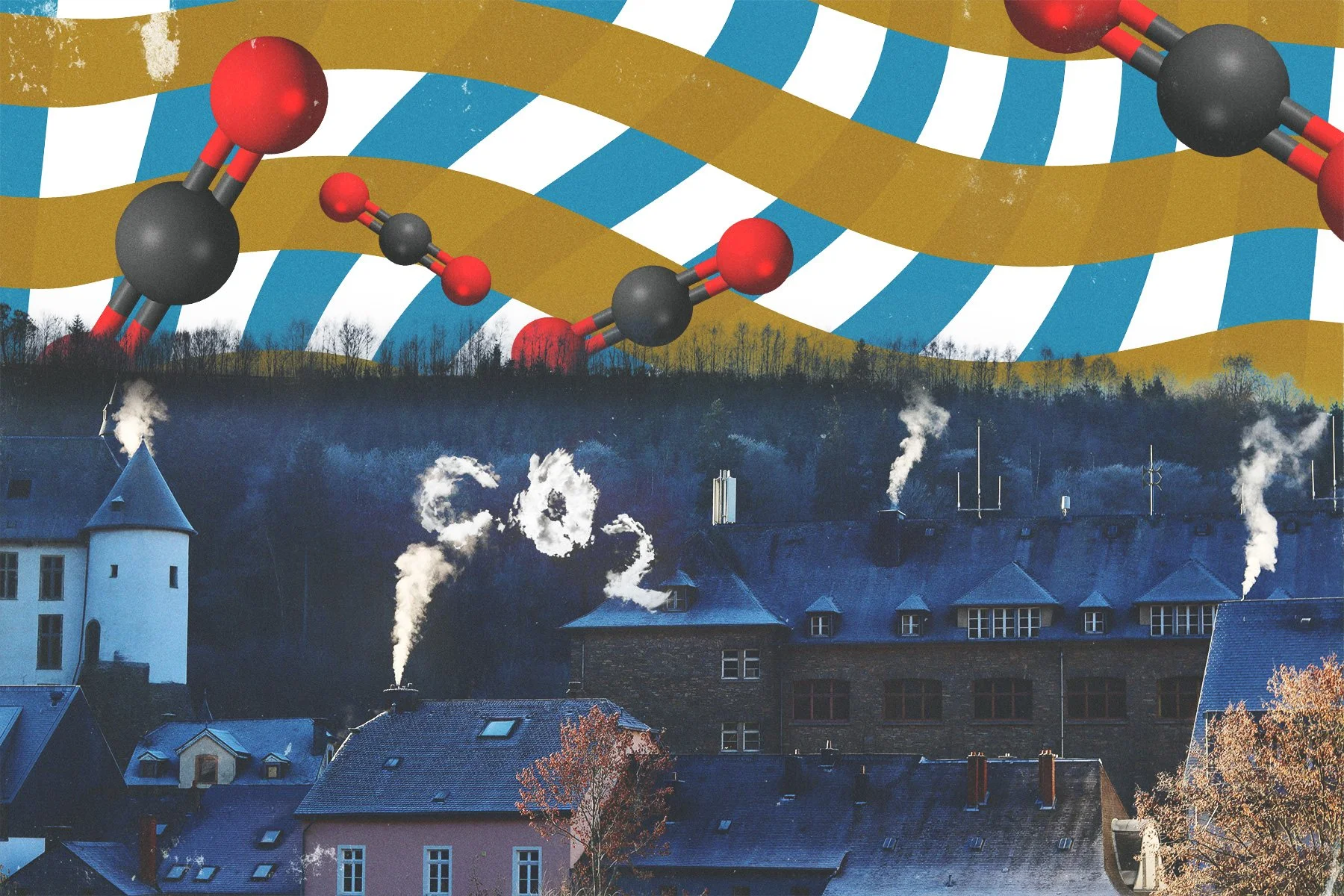
Introduced browsers and predators damage our native forests, severely disrupting their ability to absorb carbon dioxide. Our team is pioneering the critical research needed to prove a direct link between intensive predator elimination and increased carbon storage in native ecosystems.
Our rigorous research suggests that predator elimination can help forests remove huge volumes of airborne CO2 from the atmosphere.
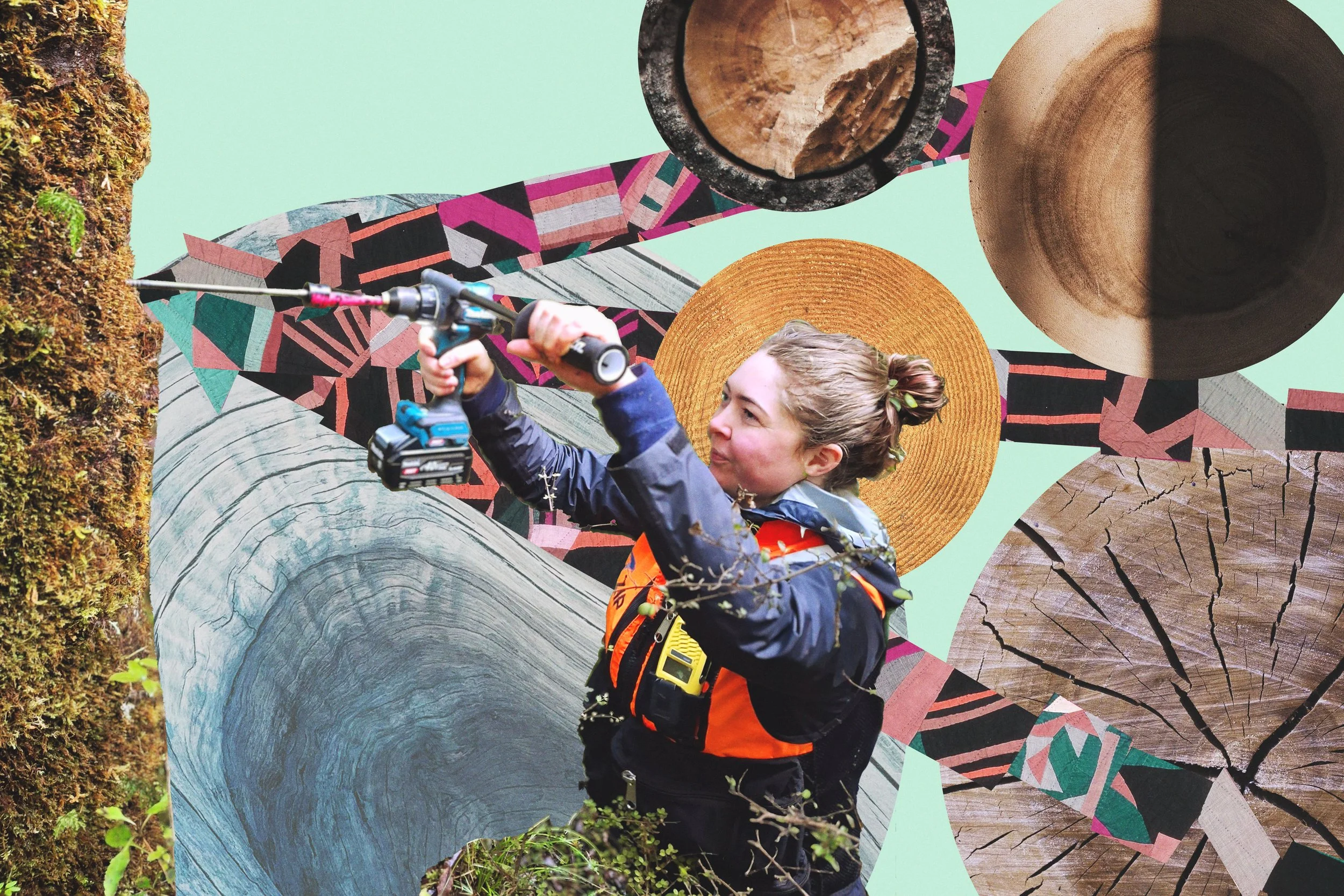
Proving a change in carbon storage over a short time is an immense scientific challenge. We’re proving the link through meticulous science – building a trusted, transparent framework where future carbon revenue directly funds the expansion of predator-free landscapes.
Recent updates about our carbon science
Community
A shared commitment to Aotearoa
Community
A shared commitment to Aotearoa
Our work is built on partnership, working alongside iwi, rūnanga, and communities. We are contributing to PF2050 goals with operations backed by peer-reviewed science. By sharing our knowledge, data, and tools openly, our breakthroughs help accelerate conservation efforts across Aotearoa.
ZIP is supported by

ZIP-managed programmes
Click for more information on programme partners and supporters