


Helping Kea Thrive Preview
Helping Kea Thrive
Helping Kea Thrive Preview
Helping Kea Thrive
Supporting kea to thrive in the wild is one of the great challenges and privileges of our work.
Since 2018, we’ve been developing an effective approach to protect kea while we eliminate possums, rats and stoats from their habitat.


Guides
Guides
Guides
Guides


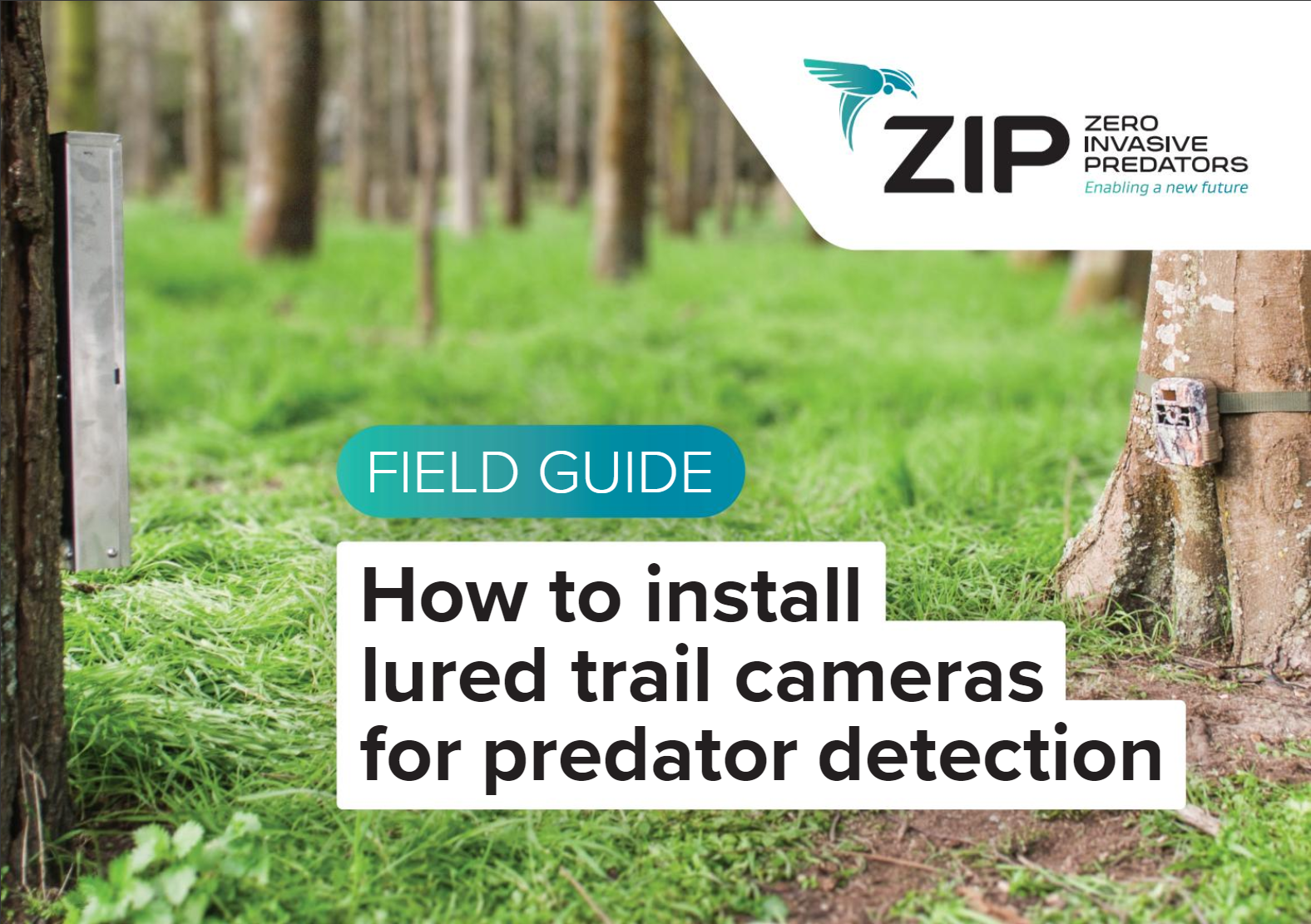
An accompanying Finding describes ZIP’s current approach to predator detection using lured trail cameras.
Findings
Findings
Findings
Findings



Predator management is reliant on luring, for both trapping and detection purposes. Fatty, protein-rich lures such as Pic’s™ peanut butter, Nutella™ and egg mayonnaise are known to be highly attractive to predator species such as possums, rats and stoats. However, these lures do not last well in the field and so their use carries a high labour burden.
Long life lures – such as blocks infused with food scents – have also been developed, but unfortunately in our experience tend to be much less attractive than their fresh counterparts.
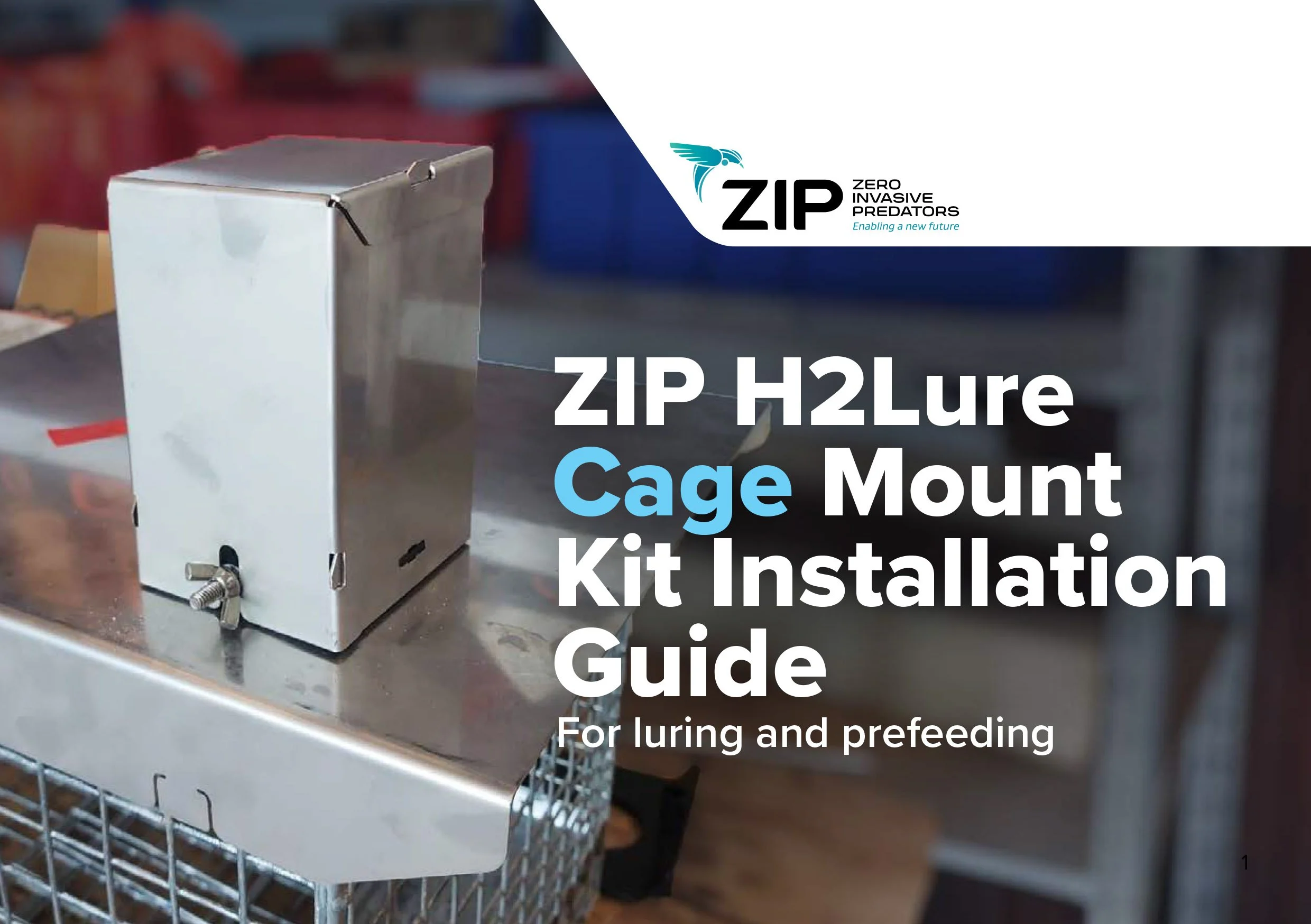
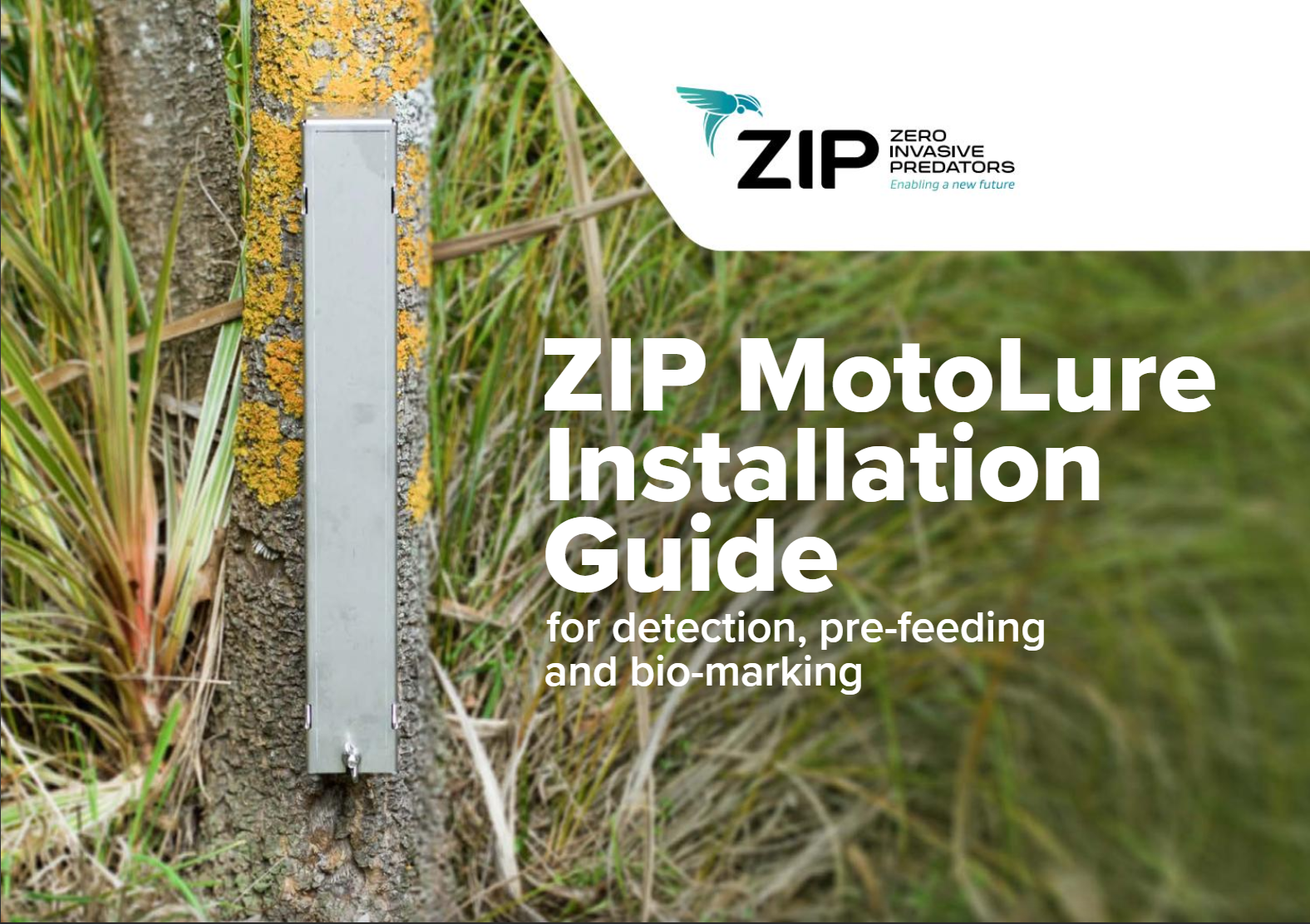
Seeking the best of both worlds – a highly attractive lure with a low labour burden – we teamed up with inFact (a Christchurch-based mechanical and engineering company) to develop an automated lure dispenser capable of dispensing a fresh food lure every day for up to one year, without requiring manual service.
ZIP is developing the knowledge, tools and techniques to prevent predators re-establishing in a ‘protected area’ (i.e. an area from which predators have been completely removed), on mainland New Zealand. Deterrents are one potential tool/technique to help prevent predators from breaching the boundaries of a protected area. A deterrent is an agent that causes predators to retreat from the boundary, rather than attempt to cross past it.
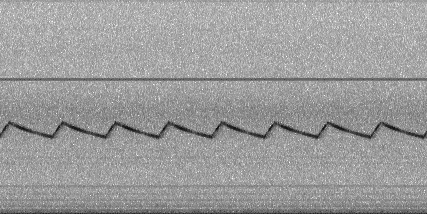
Sound – both high frequency and ultrasonic – is a potential deterrent. Sound deterrents are openly sold on the commercial market, but quantitative evidence on their effectiveness is minimal.
In October 2015, we tested three sound deterrent devices to determine their effectiveness on ship rats (Rattus rattus). The methods, results and conclusions of this trial are available here.

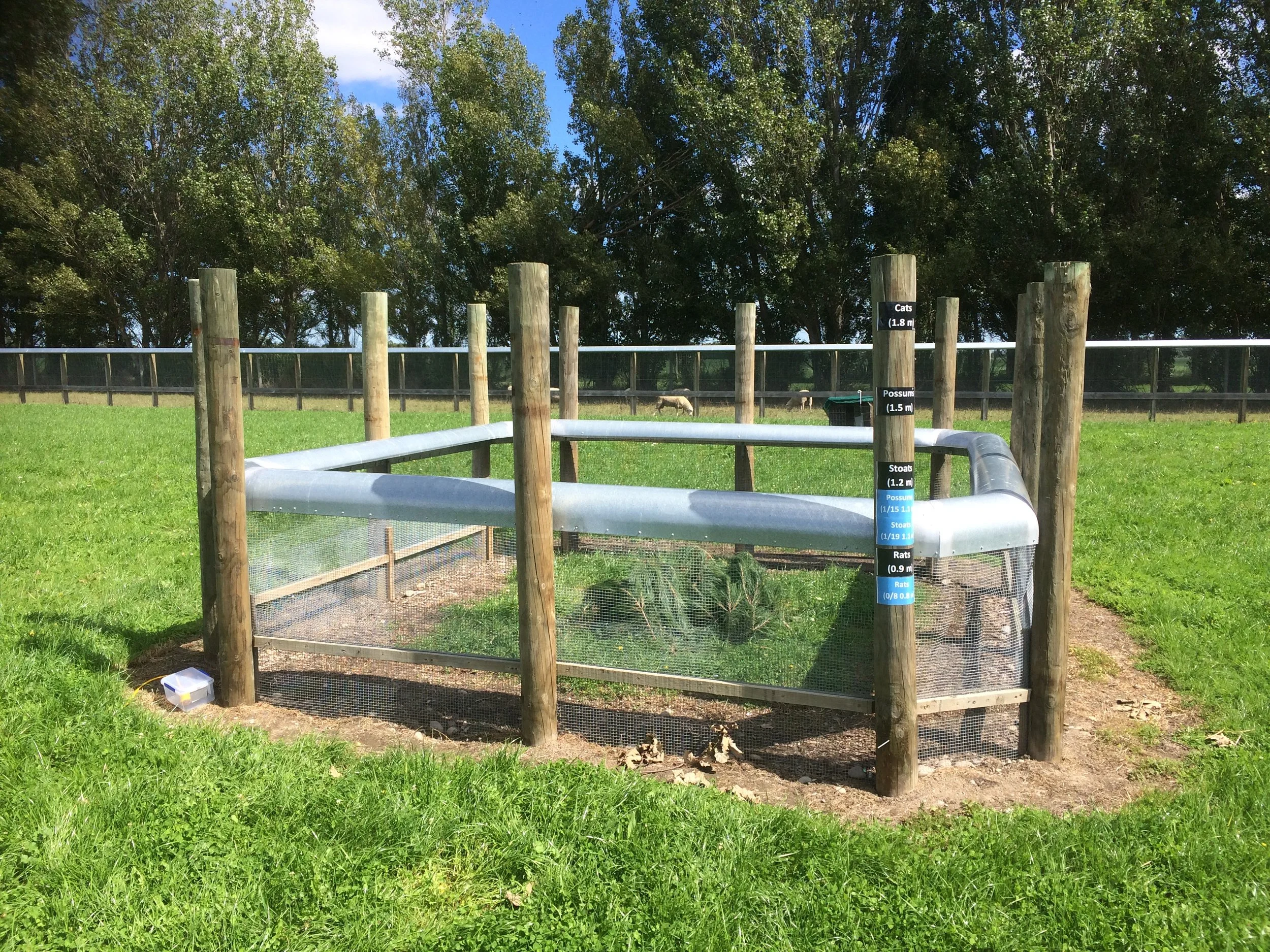
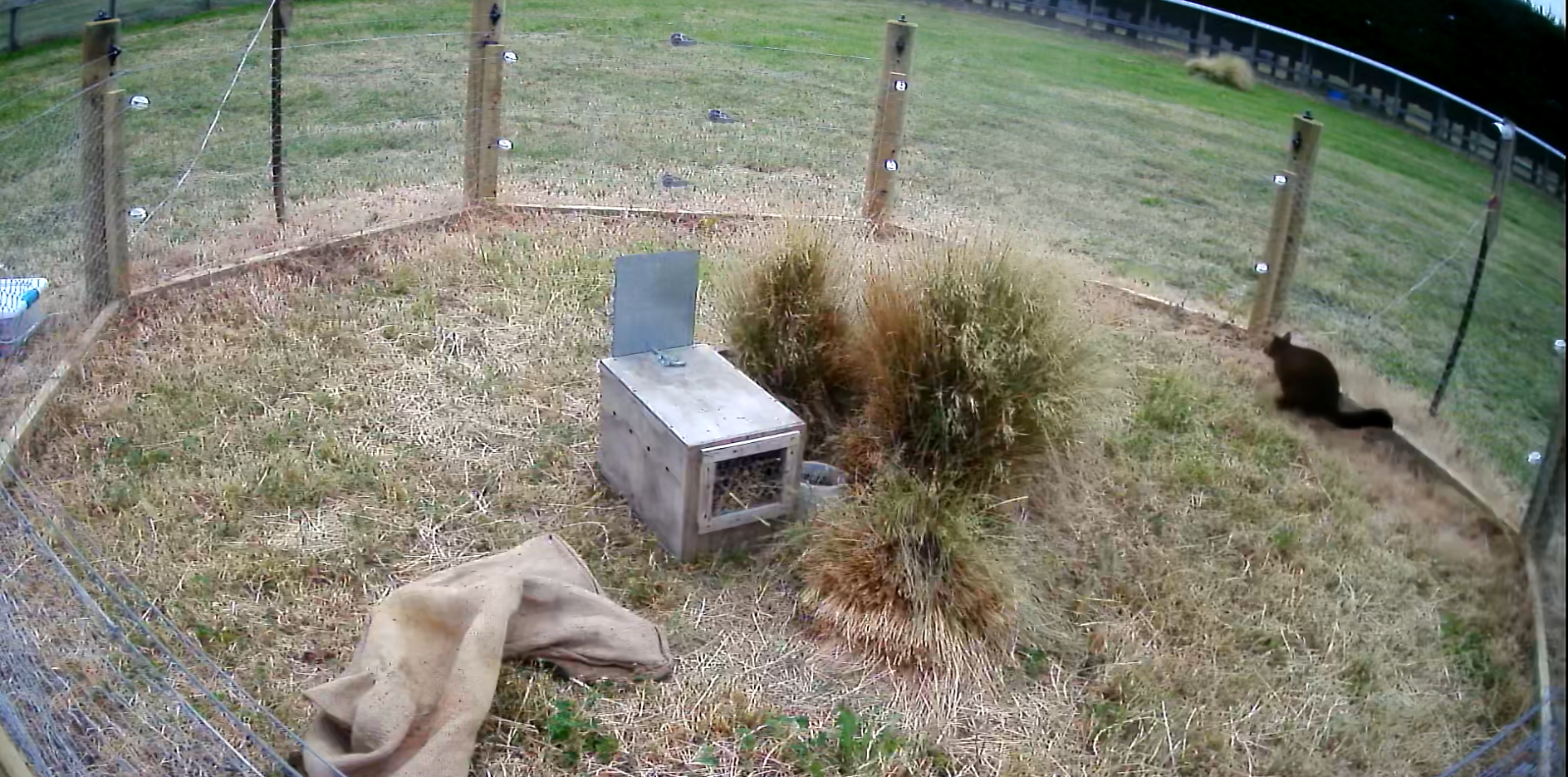
ZIP began investigating the potential of low-height predator fencing as a barrier to possums, rats and stoats at our Lincoln predator behaviour facility in 2017.
In June 2019, our friends at Predator Free Wellington (PF Wellington) asked us to test the efficacy of a low height predator fence for ship rats, capped with high-density polyethylene (HDPE) pipe.
The methods, results and conclusions of this project, along with our recommendations to PF Wellington, are available here.
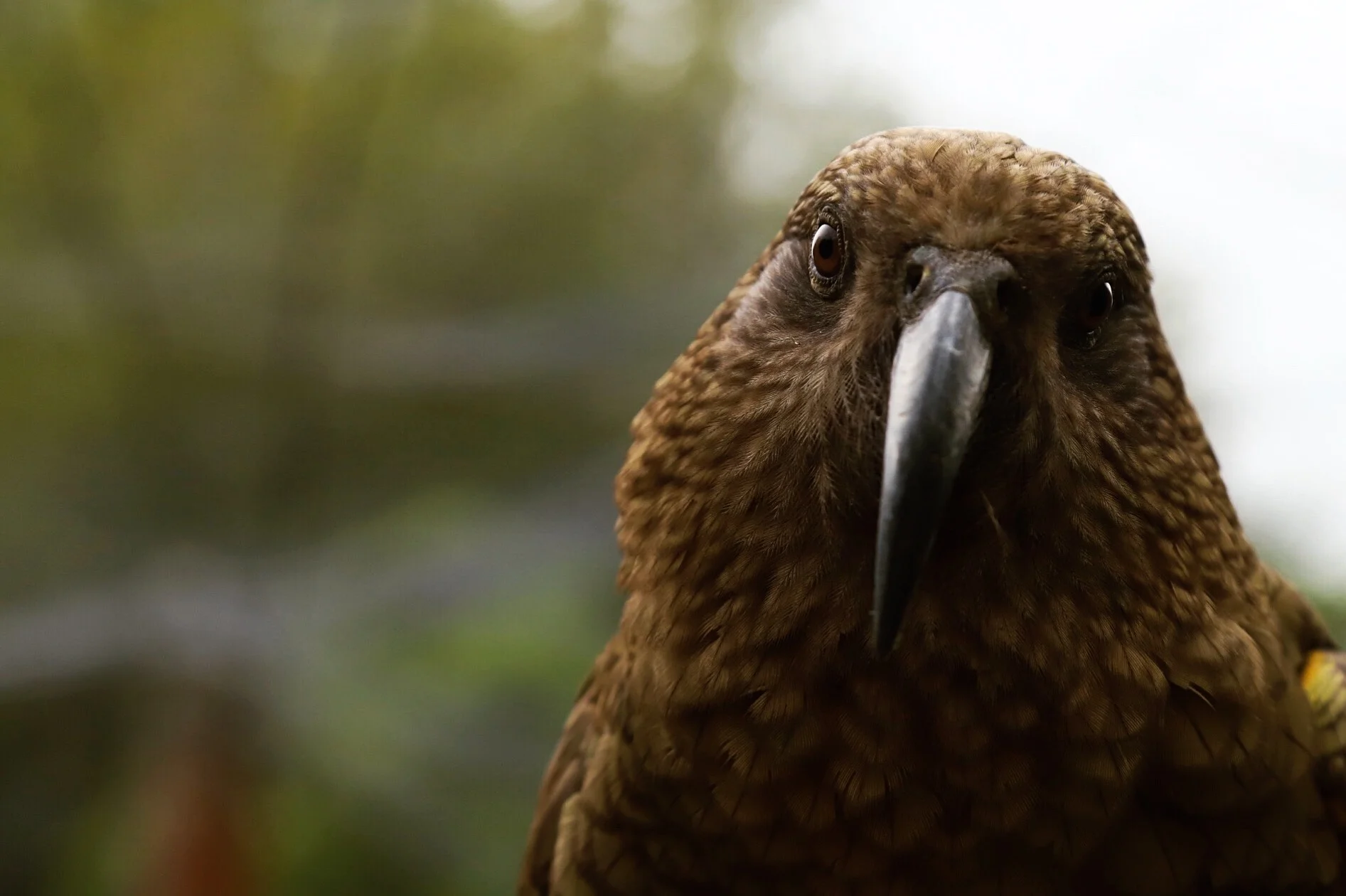
Predator control using aerial 1080 is known to benefit kea at a population level. In one recently published study, kea nest survival at a monitored site increased from 46.4%, before the application of 1080, to 84.8% after the application of 1080 (Kemp et al. 2018).
However, some individual kea have died in some operations as a result of 1080 poisoning, and this is thought to be in part due to their inquisitive nature and willingness to investigate novel or unfamiliar objects.
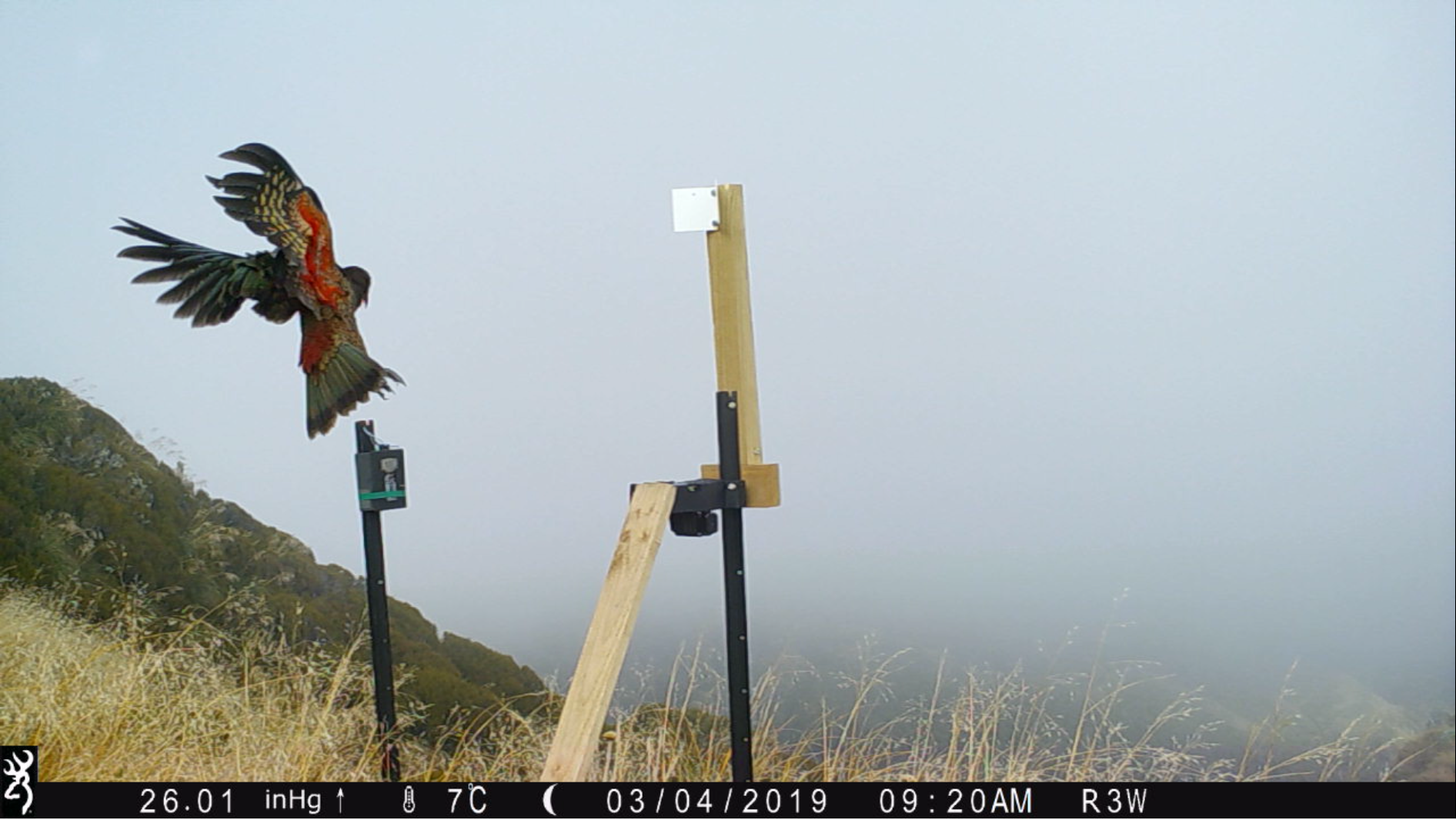
Unlike humans, many species of birds, including parrots, are able to perceive colours within the ultraviolet spectrum. Through this trial we aimed to examine whether the ability to see in UV affects the way in which different types and colours of cereal baits appear to kea, which in turn may have an influence on how kea respond to them.
In particular, this trial sought to determine whether kea are able to detect a visual difference between green dyed baits and plain, undyed baits, and between those that contain anthraquinone (a secondary repellent) or pyranine bio-marker, and those that do not.

Traps are an essential component of the Remove and Protect model that ZIP is developing to help free the New Zealand mainland from possums, rats and stoats. Under this model, traps are used to (i) defend a predator-free area from incursion by predators and also (ii) detect any individual animals that evade natural barriers (e.g. for possums or rats) or virtual barriers, so that these animals can then be removed before they re-establish a population in the area.
For projects where the goal is to completely and permanently remove predators, it’s essential that the traps used are highly effective. The project goal will never be achieved if too many individual predators can successfully evade the traps, because those predators are likely to breed and establish a population.
Since ZIP’s establishment in February 2015, we have been trying to develop more efficient rat and stoat traps. This Finding describes what we’ve learned over the past four years – including some unexpected events along the way.

Traps are an essential component of the approach that Zero Invasive Predators Ltd (ZIP) is developing to help free the New Zealand mainland from possums, rats and stoats. We use traps to (i) defend predator-free areas from incursion by these predators, and also (ii) detect any individual animals that evade natural or virtual barriers (so that they can then be removed before successfully re-establishing a population in the area).
Greater Wellington Regional Council (Greater Wellington) intend to establish a trapping network on the Miramar Peninsula targeting stoats, using an animal welfare ‘approved’ trap, as part of the Predator Free Wellington project. Consequently, in February 2019, Greater Wellington asked ZIP to test the animal welfare performance of the BT200 kill trap for stoats (Mustela erminea) against the NAWAC (2011) guideline. The BT200 is a replica of the DOC200 kill trap, and is produced by National Springs and Wire Products NZ Ltd, who supported the testing.
We assessed the welfare performance of a trap comprising two BT200 kill traps housed within a wooden (treated pine) tunnel that contained wire-mesh baffles, during February and March 2019.
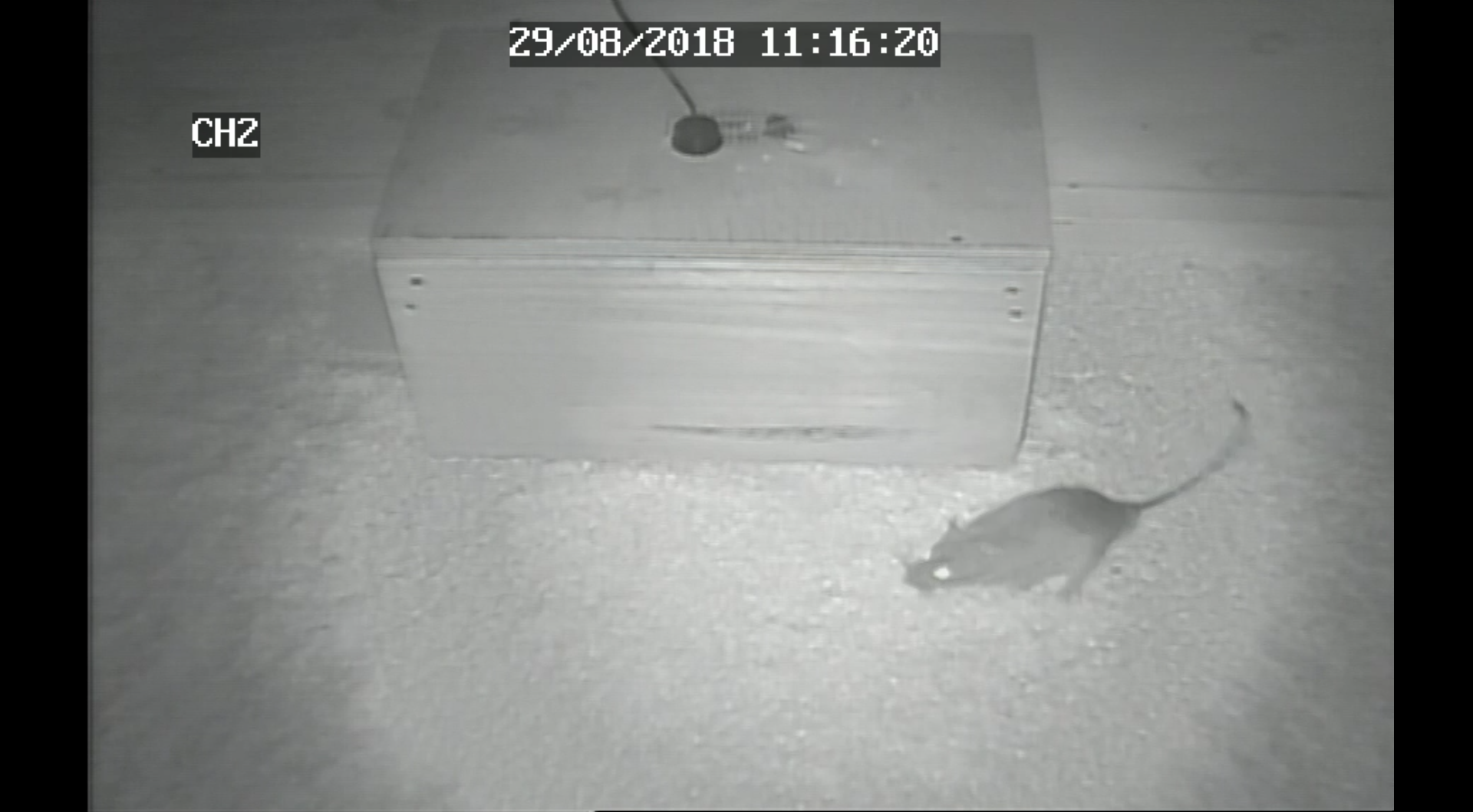
With the support of the Department of Conservation, during late-August to mid-November 2018, we undertook a project to assess the welfare performance of a trap comprising a single set DOC200 kill trap, in a single entrance wooden box manufactured to the DOC (2019) design[2] against the NAWAC (2011) guideline.
The methods, results and conclusions of this project are available here.

In 2017, ZIP ran a trial in Remutaka Forest Park, which provided strong evidence that even relatively small rivers are an effective barrier to possum migration.
Last year, we began a similar trial in the Perth River valley, to assess whether larger rivers, reinforced with a line of traps, can be an effective barrier to the migration of rats.

In late 2018 Zero Invasive Predators (ZIP) ran a series of behavioural trials with kea housed at Willowbank Wildlife Reserve, which found that cereal baits containing the repellent anthraquinone at a concentration of 2.7% by weight can significantly reduce consumption of cereal baits by kea during subsequent exposures. This trial was published on our website as both a Finding and more detailed Technical Report.
The promising results of these trials led us to begin developing a plan to use anthraquinone-laced cereal baits to reduce the potential risk to kea during our upcoming predator removal operation in the Perth River valley.
If any possums or rats in the operational area also develop an aversion to cereal baits, this would likely compromise the effectiveness of the predator removal operation. Therefore, the implementation plan for the operation may require methodology to expose kea to the repellent, but not the target predators.
Anthraquinone is known to reduce consumption of baits by rats, but little evidence exists to suggest whether or not this is also true of possums (Clapperton et al. 2015).
To inform the implementation of our kea risk mitigation plan, we ran some behavioural trials in January 2019 with captive possums at our Lincoln Predator Behaviour Facility, to determine whether exposing possums to anthraquinone-laced cereal baits can result in aversion to cereal baits.
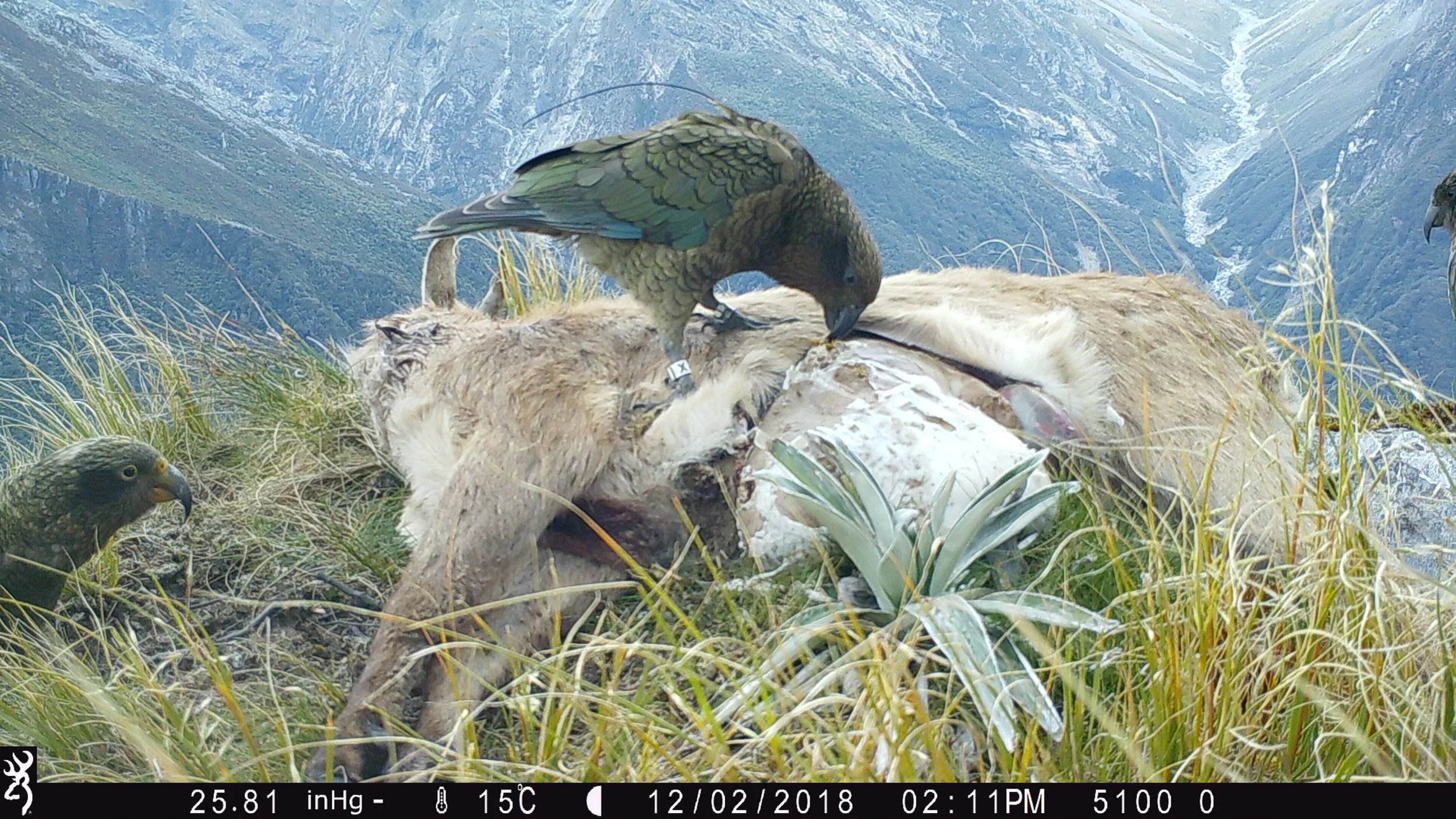
Last year, Zero Invasive Predators Ltd (ZIP) began developing and testing two methods to mitigate potential risks to kea (Nestor notabilis) from a proposed aerial 1080 operation to remove predators from the Perth River valley, South Westland. The two methods are to:
apply non-toxic bait laced with bird repellent to deter kea from eating the toxic bait; and
provide fresh tahr carcasses as a more attractive, preferred, food source.
This Finding, and the accompanying Technical Report, outlines two trials we ran between June and November 2018, to (i) investigate whether kea activity is higher around tahr carcasses than at cereal bait (Phase 1), and (ii) refine the deployment of tahr carcasses as a technique to mitigate the potential risk to kea from the proposed 1080 to Zero operation (Phase 2).
The trials covered a broad range of topics, including the population demographics of kea seen at tahr carcasses and at bait, types of kea behavioural interactions seen with cereal bait, proportion of the banded population of kea visiting these sites, and average longevity of tahr carcasses as a food source for kea.

Last year, Zero Invasive Predators Ltd (ZIP) began developing and testing two methods to mitigate potential risks to kea (Nestor notabilis) from a proposed aerial 1080 operation to remove predators from the Perth River valley, South Westland. The two methods are to:
apply non-toxic bait laced with bird repellent to deter kea from eating the toxic bait; and
provide fresh tahr carcasses as a more attractive, preferred, food source.
This Finding, and the accompanying Technical Report outlines a trial we began in November 2018, in which we investigated whether a repellent, anthraquinone, could be used to ‘teach’ kea to avoid consuming cereal baits.

Stoats have been labelled “public enemy number one for New Zealand birds” by the Department of Conservation.
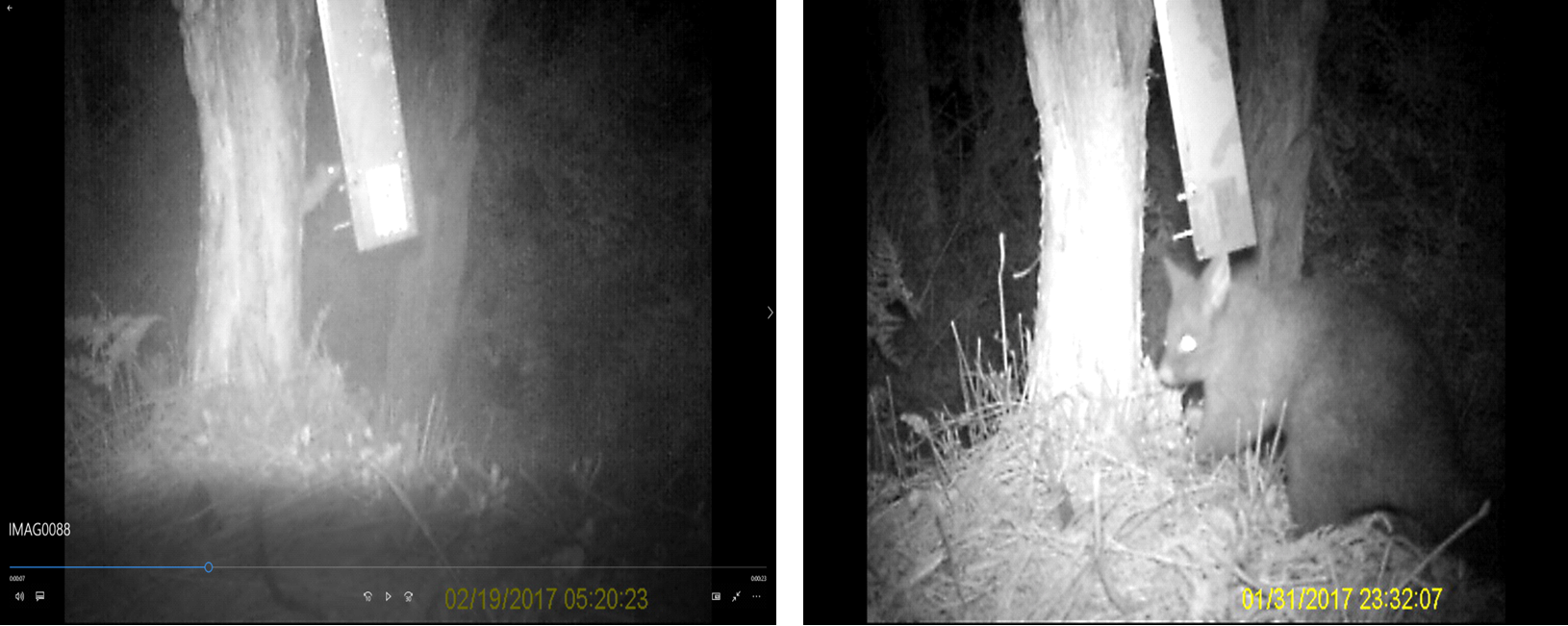
Detecting stoats when they are at low density is challenging. This finding describes the interim results of a project with the primary objective to detect stoat density in the Perth River valley, using trail cameras paired with automatic lure dispensers. A secondary objective was to determine the level of interaction of stoats with the lure dispenser, to help us to understand the potential of this device to dispense toxin.

Biomarkers can be a useful tool for measuring bait uptake, and animal movement. Pyranine is a non-toxic, short lived, fluorescent green biomarker that stains the intestinal tract of an animal, and is highly visible under UV light.
As part of a trial in 2017 aimed at assessing rivers as natural barriers to possum movement, Zero Invasive Predators (ZIP) used aerially sown and ground laid non-toxic pyranine laced cereal pellet baits to mark a possum population in the Orongorongo Valley, Remutaka Forest Park.
When two possums caught on the opposite side of the river were observed by field staff to have faint green fluorescence under UV light on several external areas, we decided to carry out pyranine feeding trials at the ZIP Predator Behaviour Facility at Lincoln, Christchurch.
These trials aimed to (i) accurately quantify pyranine expression in possums both internally and externally, and (ii) identify the presence of any naturally occurring fluorescence on the possums themselves.
We were surprised by what we found…

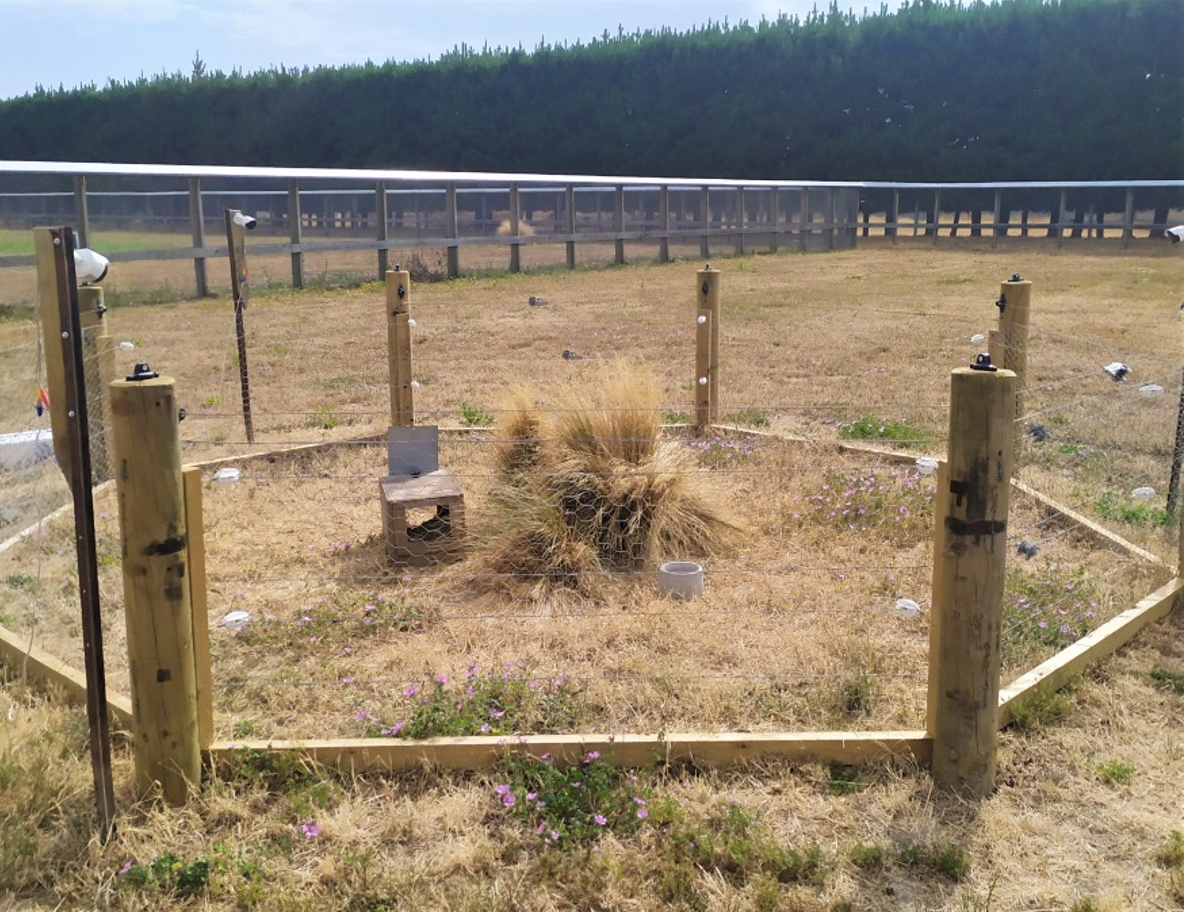
Urban and rural landscapes have the potential to be protected from invading predator species through the use of fences. For predator fenced regions to be successful in mainland New Zealand, vehicle and civilian traffic needs to flow unrestricted.
Roadways and footpaths create openings in fences - points of weakness where predators can access protected regions. If permanent or ‘rolling front’ fences are going to assist in achieving New Zealand’s Predator Free 2050 goals, then we must find ways of defending these openings.
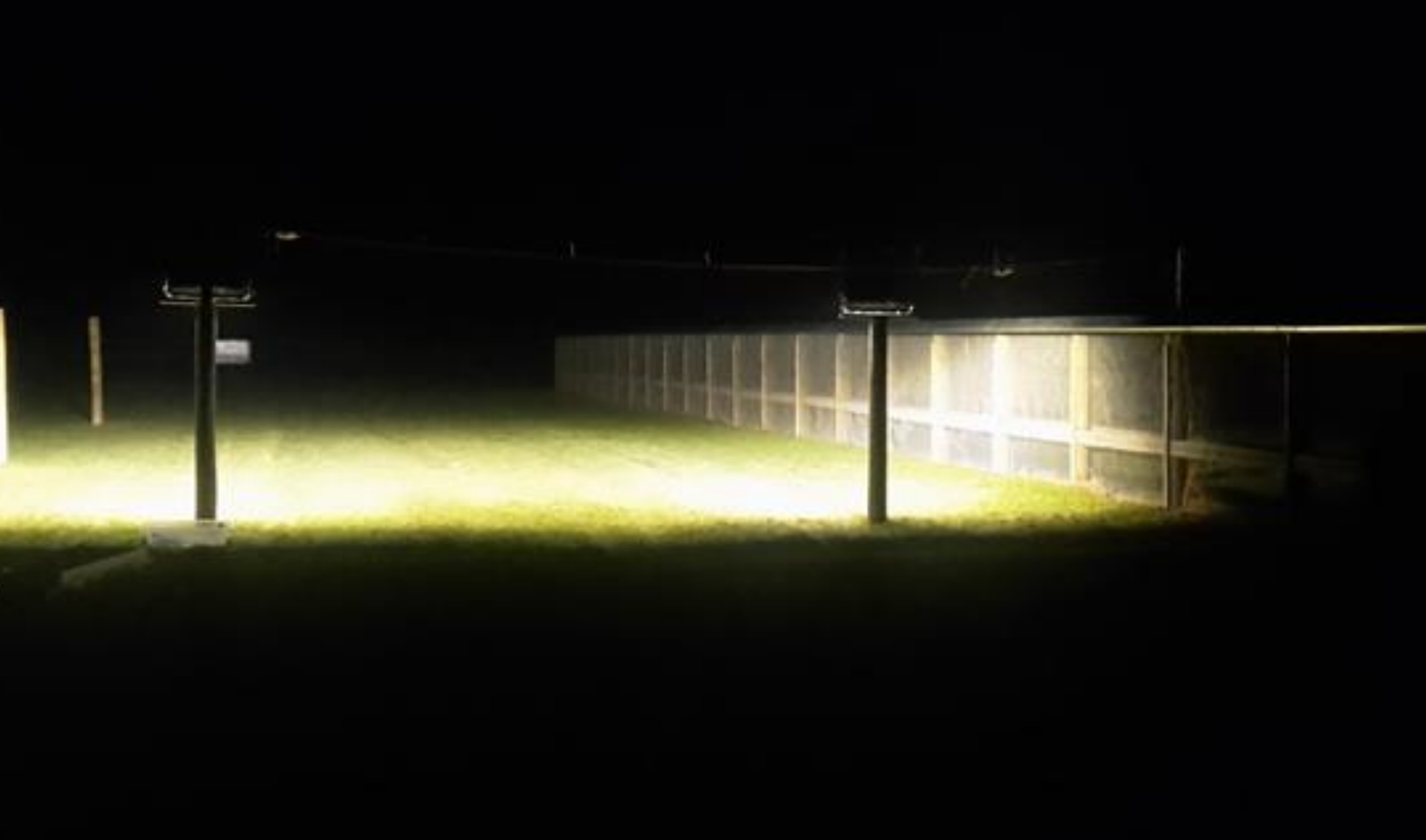
In 2016, ZIP began investigating various deterrents to protect a simulated opening in a predator fence, starting with the potential of using lighting as a deterrent.
Predator Free New Zealand by 2050 is an exciting, and ambitious, goal. And we are up for the challenge! A wide range of tools and techniques are expected to be needed to completely remove possums, rats and stoats, and permanently prevent them from re-establishing across the country.
As well as novel tools, it will likely require novel thinking. Could protecting those predator-free areas be achieved by simply repelling the predators, rather than killing them? Are there ways we can change the behaviours of these predators through appealing to their senses? To advance this thinking and see what is already known in the scientific world, ZIP contracted Dr. Kay Clapperton to prepare a report that summarised the recent literature on the responses of possums, rodents and carnivores to chemical repellents.

Predator fencing is currently used in New Zealand to protect at-risk flora and fauna in small, predator-free environments, and to prevent contamination of industrial food processing plants.
Unfortunately, current predator fencing systems have limited application, due to their high construction and maintenance costs, obtrusive 1800 mm stature, and lack of mobility.
ZIP is exploring predator fencing solutions for a wider New Zealand context, particularly for use around rural and semi-urban areas.
In 2017, we began conducting trials at our predator research facility in Lincoln, Canterbury, to determine the minimum fence height required to contain possums, rats and stoats.

Zero Invasive Predators Ltd (ZIP), with the support of the Department of Conservation (DOC) and Predator Free 2050 Limited, is currently undertaking a programme of research and development work in the Perth River valley on the West Coast of the South Island.
The purpose of the work is to test and refine an approach to completely remove possums from large areas and prevent them from re-establishing, and to develop this approach for ship rats and stoats. We call the approach ‘Remove and Protect’. This is the first time such an attempt has been made on the New Zealand mainland. The results are expected to help enable New Zealand to achieve predator-free status by 2050.
One component of the approach is the use of aerial 1080 to completely remove possums, using a method we developed in consultation with experts from the Department of Conservation (DOC), OSPRI and Manaaki Whenua - Landcare Research. We call this method ‘1080 to Zero’.
The DOC permission for ZIP to undertake an aerial 1080 operation in the Perth River research area acknowledged the risk to kea, and included a requirement that ZIP undertake a project to estimate how likely kea would be to consume bait containing 1080. This requirement was intended to assist DOC to assess and decide whether the application of toxic bait should proceed.
While kea have previously been monitored through aerial 1080 operations, as far as we know, this project is the first time that anyone has attempted to learn about the consumption of non-toxic baits by kea prior to toxic bait being sown.
This Finding reports the results of the project. The work that is underway to measure and mitigate the risks to kea since this project was completed are described in a companion Update.

ZIP’s automated reporting leghold traps have proven to be the key to a highly effective – and efficient – possum ‘virtual barrier’ at our Bottle Rock field site, stopping over 95% of invading possums. But what about the few individuals that do get through the barrier, and into the protected, possum free area..?

If you want to catch a possum, rat or stoat, you need the right lure.
Unfortunately, the lures we have found to be most attractive are fresh foods that typically don't last very long in the field.
To keep traps attractive and effective, these lures typically need to be refreshed by a ranger every 3-4 weeks.
This can be a time-consuming (and therefore expensive) task, particularly when working in difficult terrain, which significantly limits the size of an area that can be effectively trapped.
In an attempt to address this inefficiency (and make life easier for our hard-working rangers), we teamed up with the Christchurch-based mechanical and engineering company inFact in early 2016, to begin development of an automated food lure dispenser capable of holding and dispensing fresh food-based lures in the field for up to a year.

ZIP is developing a modified technique for the aerial application of 1080 to completely remove possums and rats from large mainland areas. If we are successful, and we also successfully develop techniques to prevent possum and rat invaders from re-establishing, then the large-scale repeated application of aerial 1080 may no longer be necessary to protect New Zealand’s biodiversity.
In 2017, we trialled this technique at a 2,300 hectare site in South Westland.
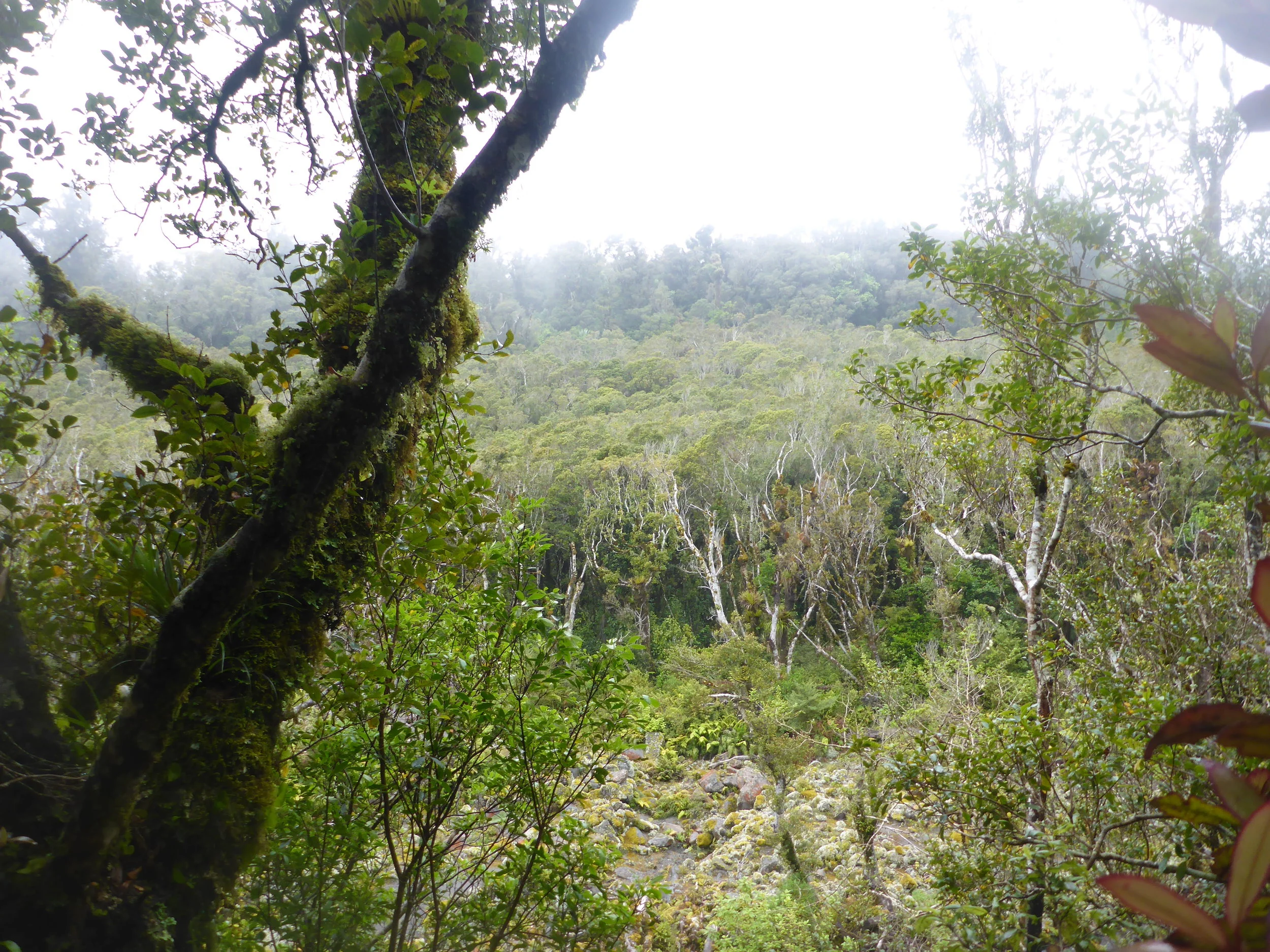
The impact of invasive predators on native biodiversity is well documented, with an estimated 25 million native birds lost to predation every year.
New Zealand is a world leader in completely removing possums, rats and stoats – the three species generally understood to do the most damage – from islands and fenced sanctuaries, through the aerial application of the toxin brodifacoum. However, aerially applied brodifacoum is not registered as a technique on the mainland, so we need to find another option as we push toward a predator free New Zealand by 2050.
Aerially applied 1080 is successfully used on the New Zealand mainland to ‘control’ possums and rats for conservation and disease management purposes, by suppressing populations to very low numbers. However, because standard 1080 operations do not remove all target individuals, and reinvasion back into those sites is not managed, predator populations recover and these operations must be repeated on a cyclical and ongoing basis (typically every 3-5 years) to sustain the benefits of the predator control.
This context led ZIP to conclude that it is a high priority to develop an aerially-based technique for the complete removal of possums and rats from a treatment area. We decided to test whether 1080 could form the foundation of that technique.

Updated 1 April 2020
This Finding was originally published in November 2017, and has since been updated on the basis of peer review feedback. A scientific journal paper will be published soon, to supplement this Finding.
There is some anecdotal evidence to suggest that possum migration across landscapes is slowed by natural features, such as rivers and high mountain ranges. If we were able to confirm that these features really do halt or greatly slow down the migration of possums, then this new knowledge would broaden the range of sites where the Remove and Protect model of possum management could be applied across New Zealand. Natural barriers may also be cheaper to maintain than a virtual barrier (as trialled at Bottle Rock Peninsula between 2015 and 2019).

The TUN200 trap box is our most effective tool for rats. Our usual spacing between traps along each of our virtual barrier defence lines is 10 metres. During 2015 and 2016, we ran trials to assess whether TUN200s could be placed at different intervals along the first defence line in our 'virtual barrier' at Bottle Rock, to enhance both the effectiveness and efficiency of the Remove and Protect system.

ZIP is always looking for ways to improve the effectiveness of the tools we use in the virtual barrier. With this in mind, a trial was run to determine whether a TUN200 trap box with a more ‘open’ entrance architecture might kill significantly more rats than a TUN200 with a standard 7.2 cm diameter entrance hole.
We were surprised by the result...

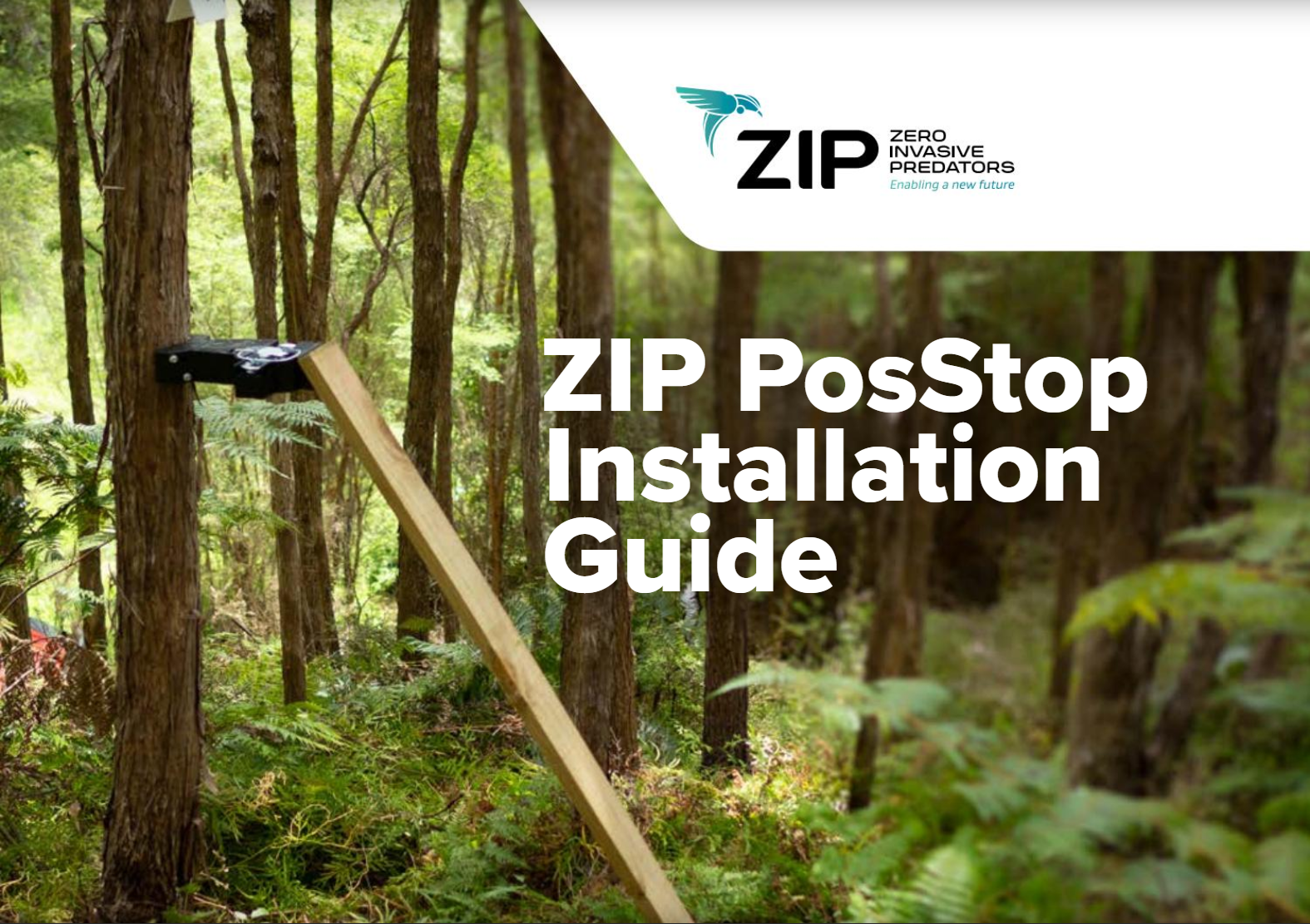
Studies have indicated that tree-mounted possum leghold traps may be most effective when paired with a sloping board that acts as a ramp from the ground to the trap.
During 2016, we ran a trial at Bottle Rock to assess the effectiveness of possum leghold traps with ramps in comparison with those without ramps.

When a leghold trap in our system catches a possum, like all possum trappers we are required to clear this trap within 12 hours of sunrise. Interestingly, our capture data shows that there is a one in three likelihood that the next possum to be caught on that line will be caught in the same trap, even though there are over 250 traps for that possum to choose from.
We now believe that this 'funnel' effect is likely to be the result of some form of ground-based scent trail left by possums.

When the virtual barrier was installed at Bottle Rock in November 2014, stoat defences were not included as we did not believe that the 400 ha peninsula was large enough in relation stoats' speed or 'typical' home range size (60 – 200 ha) to confirm the area was free of stoats at any point in time. Our suite of control tools and available monitoring tools for stoats at the time were also extremely limited.
However, the virtual barrier system caught a surprisingly large number of stoats (25) during the 2014 beech mast (lured with mice caught in mouse traps inside TUN200 boxes), and another 11 following the rat and possum removal. This gave us some confidence that it would be worthwhile to begin trialing stoat defences at Bottle Rock peninsula.

The leghold trap is by far our most effective tool for invading possums, intercepting approximately 60% of those that attempt to pass through each defence line.
When ZIP began operations at Bottle Rock in late 2014, our leghold traps were lured using a 90x90mm white corflute chew card baited with aniseed possum lure, refreshed every 6 weeks.
However, when we observed catch data over time, it became clear that refreshing the lures did little to improve trap effectiveness, and catch rates did not reduce between services.
We now believe that the visual ‘flag’ created by the white corflute square is acting as the attractant, and is itself sufficient to cause possums to investigate traps.

Following the ‘lonely’ rat releases on Bottle Rock between July and September 2015, we began to reconsider our approach to detecting invaders in the Remove and Protect system.
These releases demonstrated to us that the ‘footprint’ of an individual Ship rat in the landscape can be very small and therefore extremely difficult to detect using current methods.
We are now looking to determine whether the dispersal footprint of a first generation breeding event is both detectable and manageable using currently available tools.

To help us design our detection system at Bottle Rock, we wanted to learn more about what a ‘lonely’ rat does, and where it goes, when it enters an area with no other rats. In other words, we wanted to better understand the ‘footprint’ of a rat invasion in space and time, to help ensure early detection and removal.
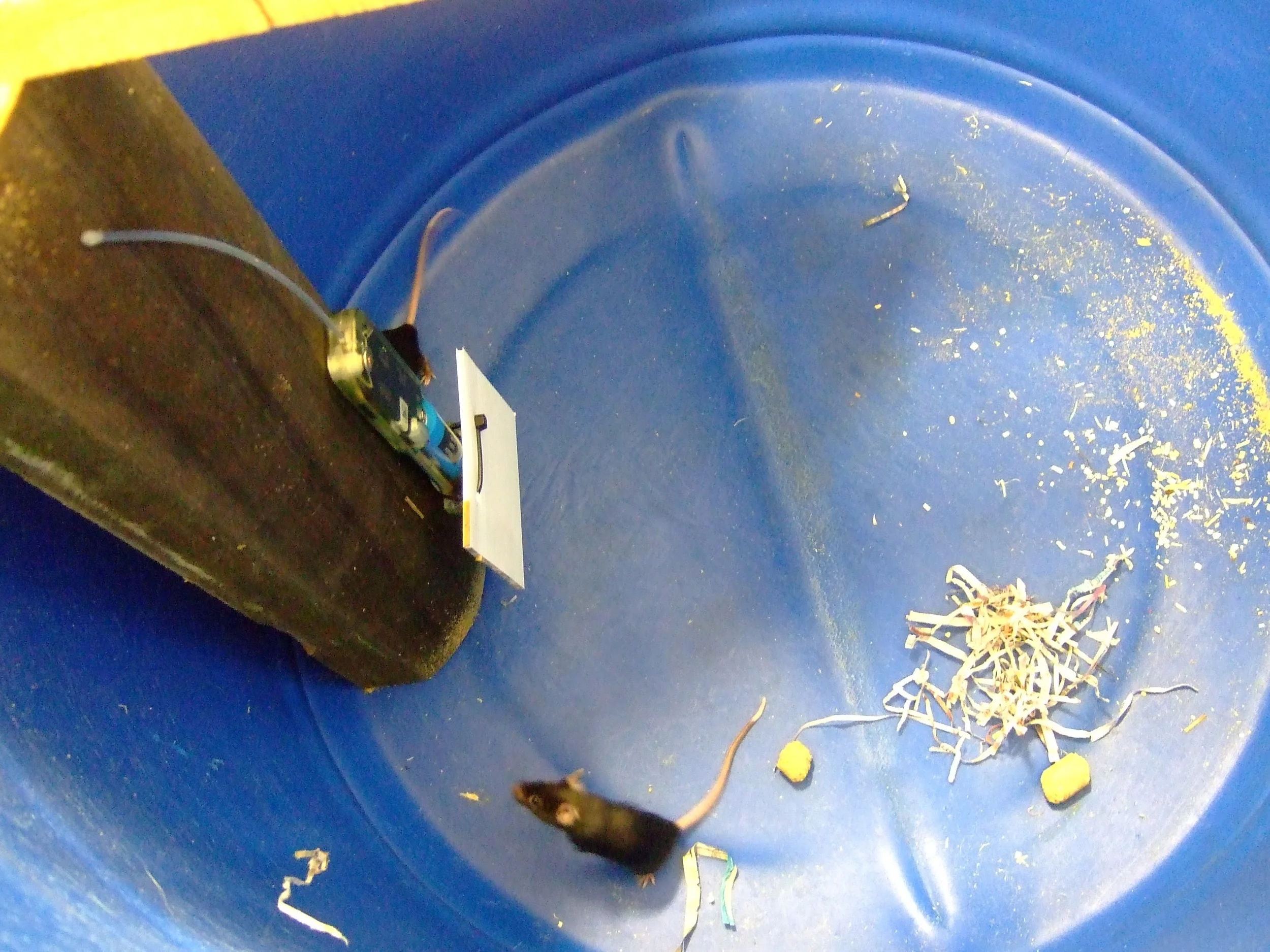
Because our detection and removal devices are not designed to target mice, we need to be able to exclude them from these devices to ensure optimal performance of the system.
Here are just a few of the mouse-related challenges we’ve overcome since we began our operations.
Technical Reports
Technical Reports
Technical Reports
Technical Reports







Papers
Papers
Papers
Papers


Between 2011 and 2014 a trial was conducted as part of the Poutiri Ao ō Tāne project, a restoration project located at the Maungaharuru-Tutira catchment, 60 km north of Napier.
This trial sought to compare the efficacy of run-through tunnel traps and standard single-entry trap boxes for ship rats, stoats and ferrets.
Read more...